RED TOURISM IN MAO’S HOMETOWN (2025)
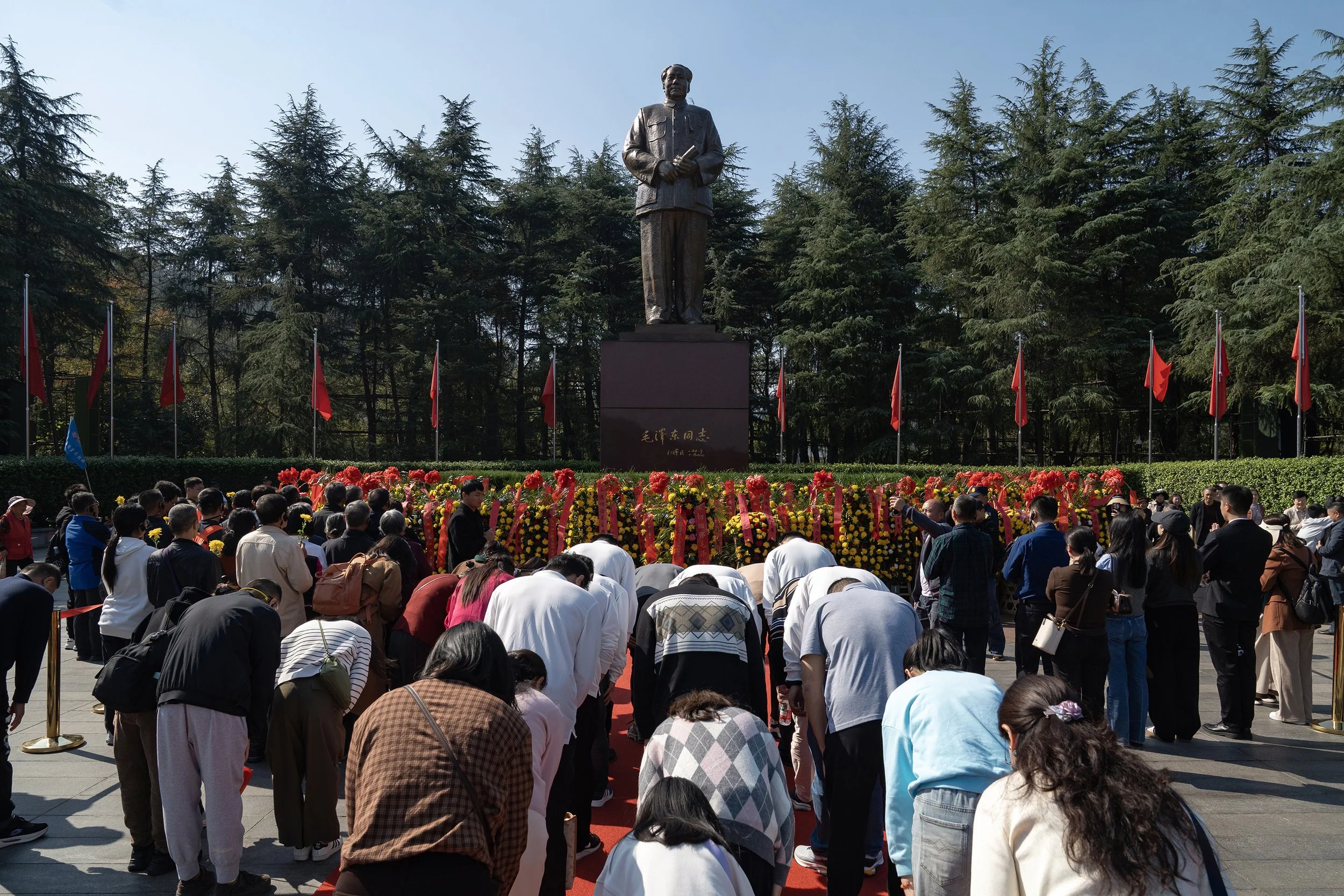
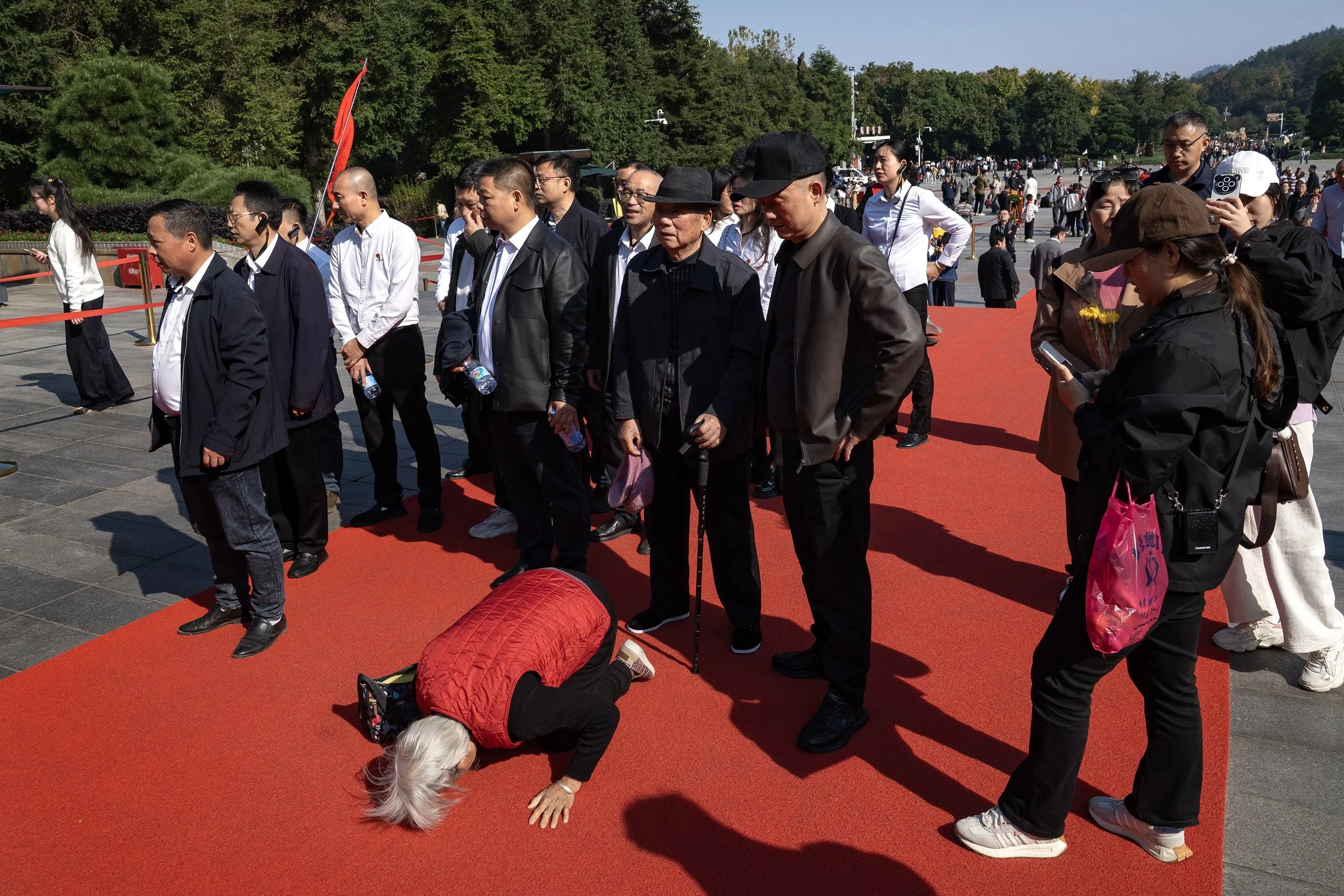
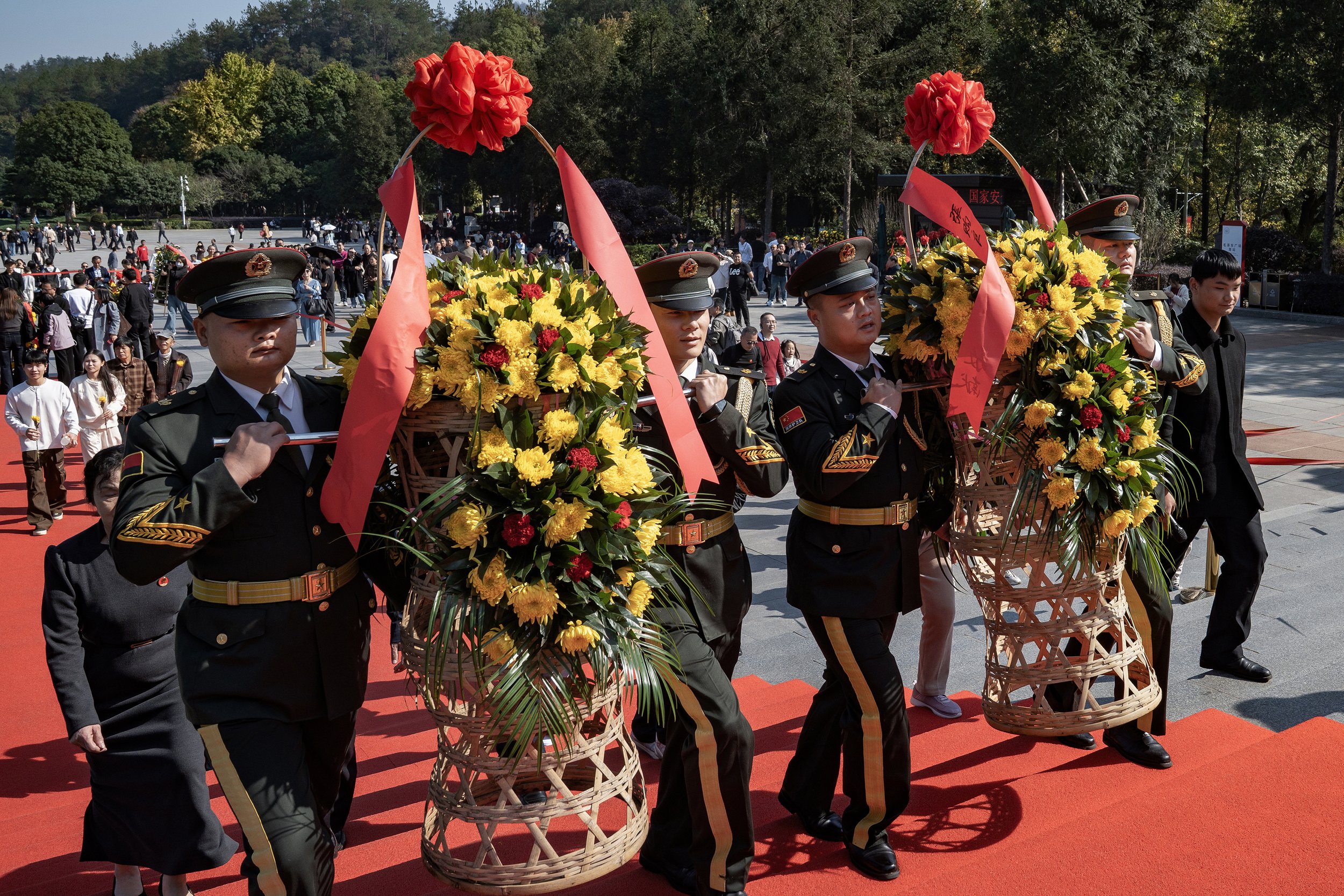
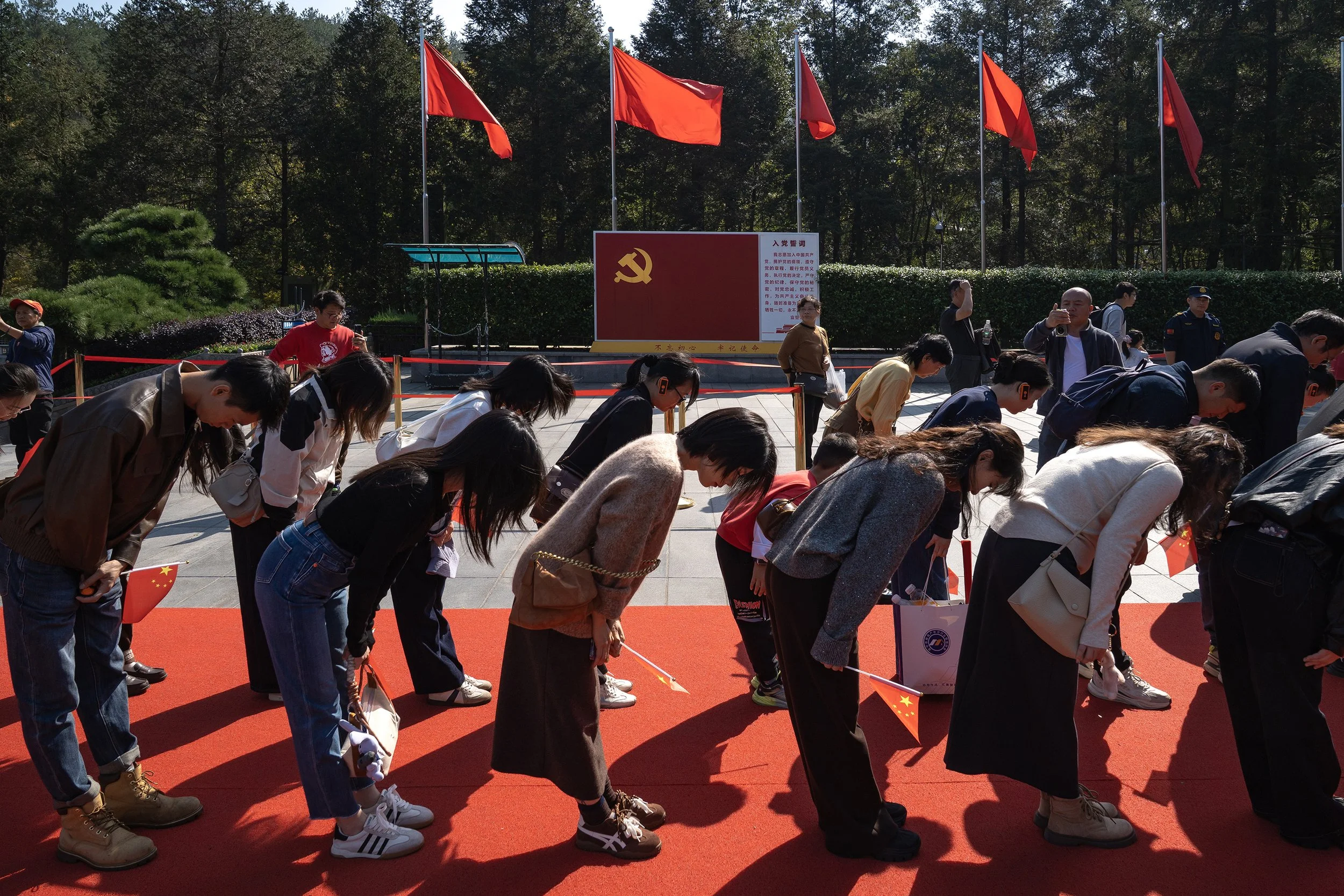
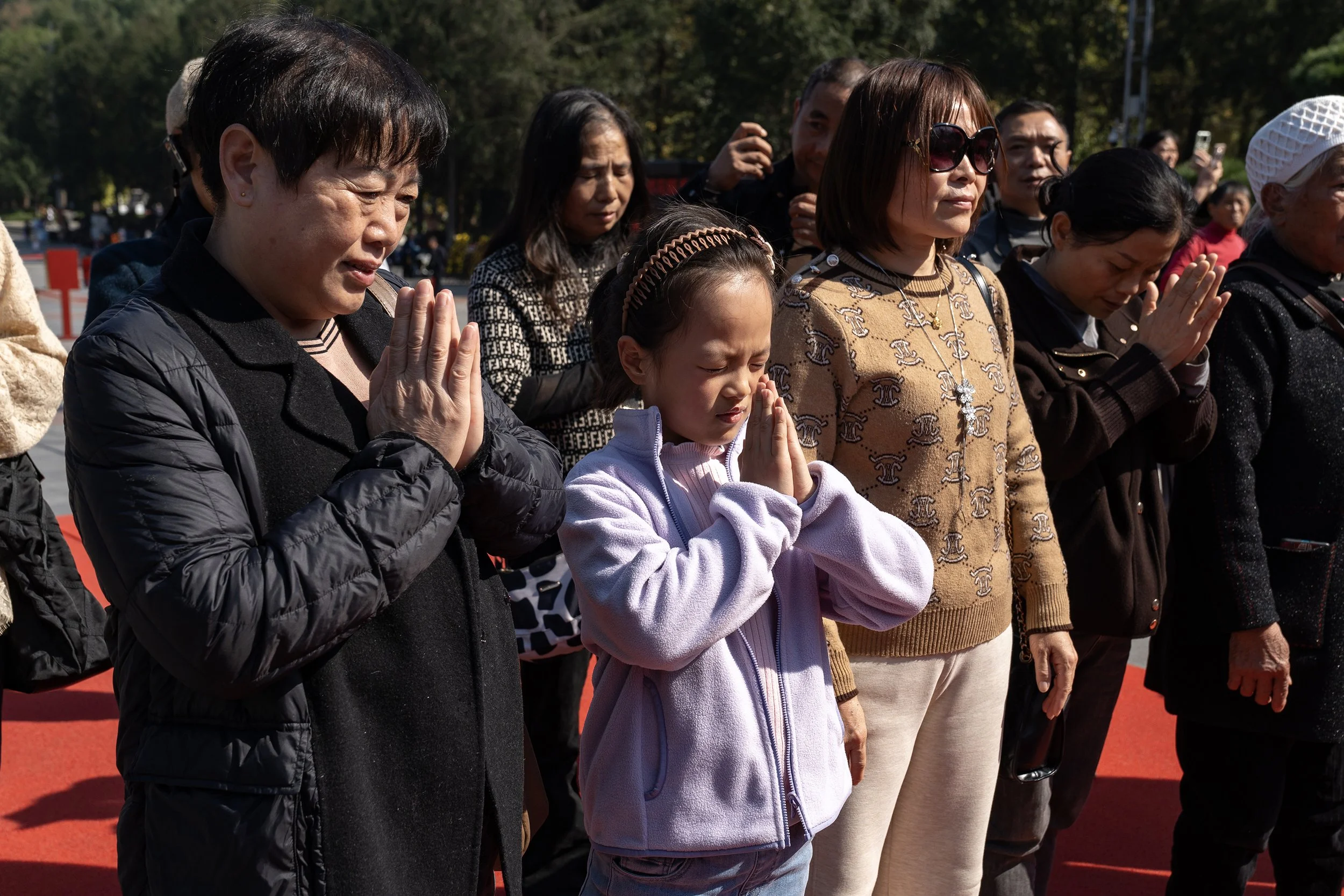
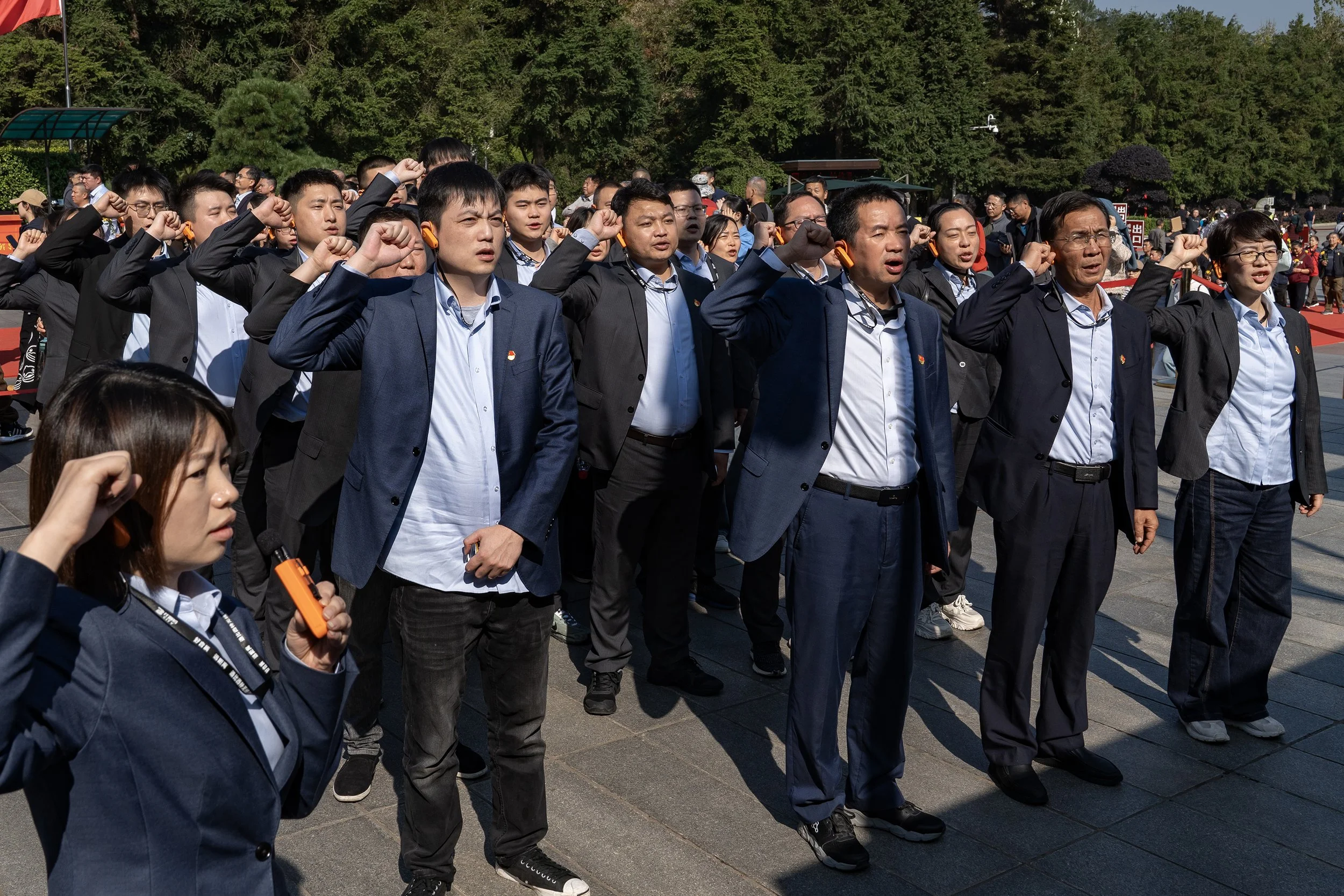
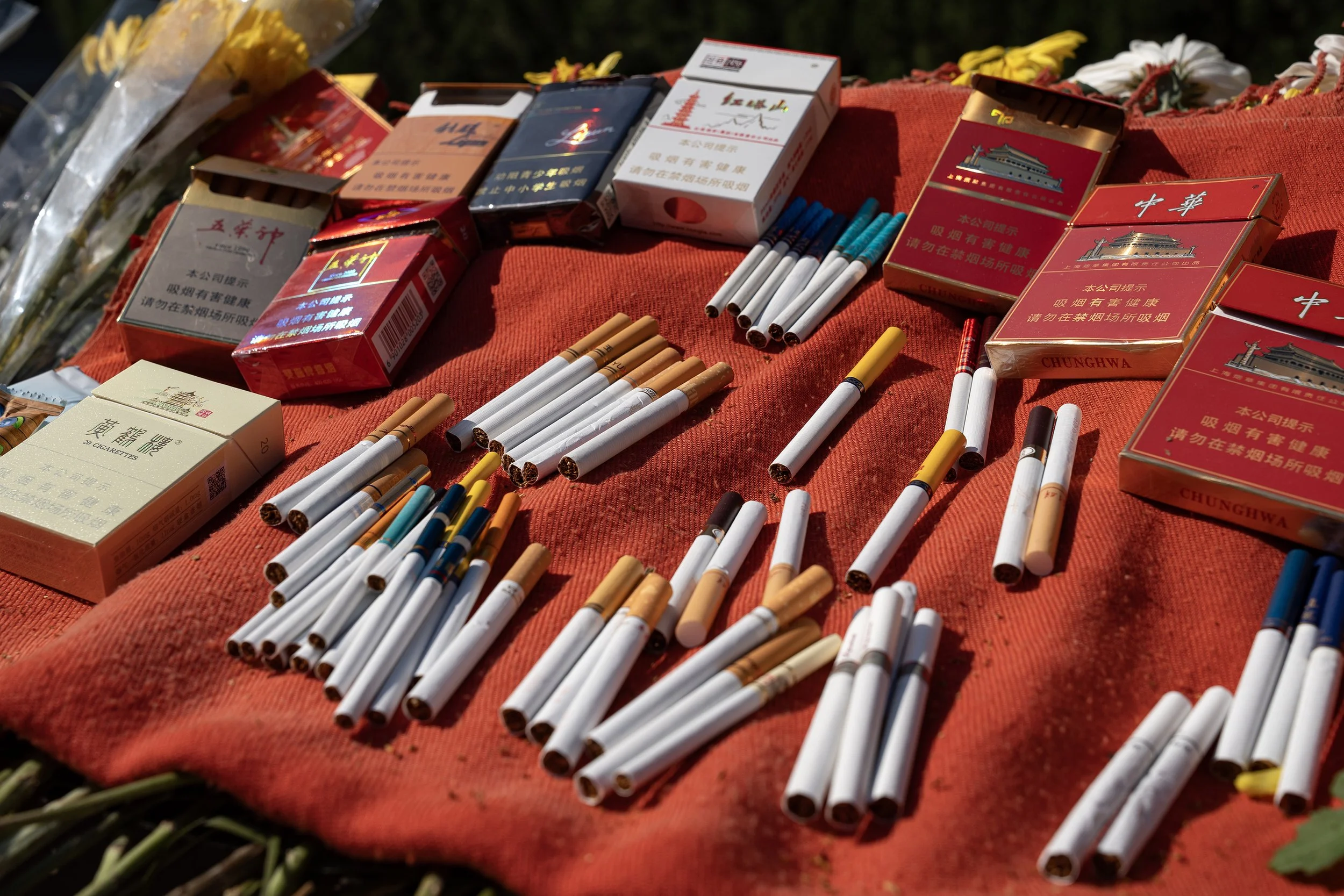
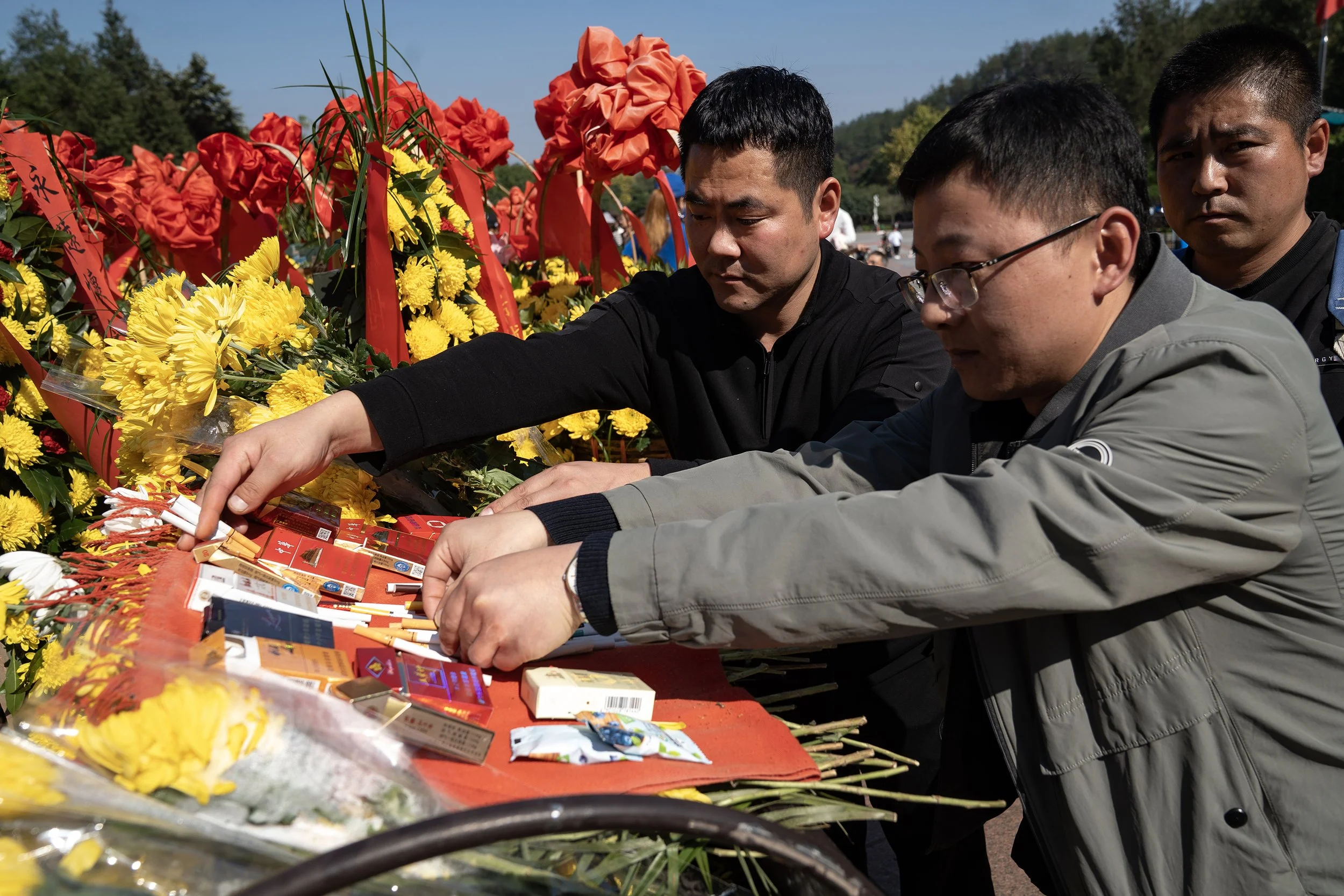

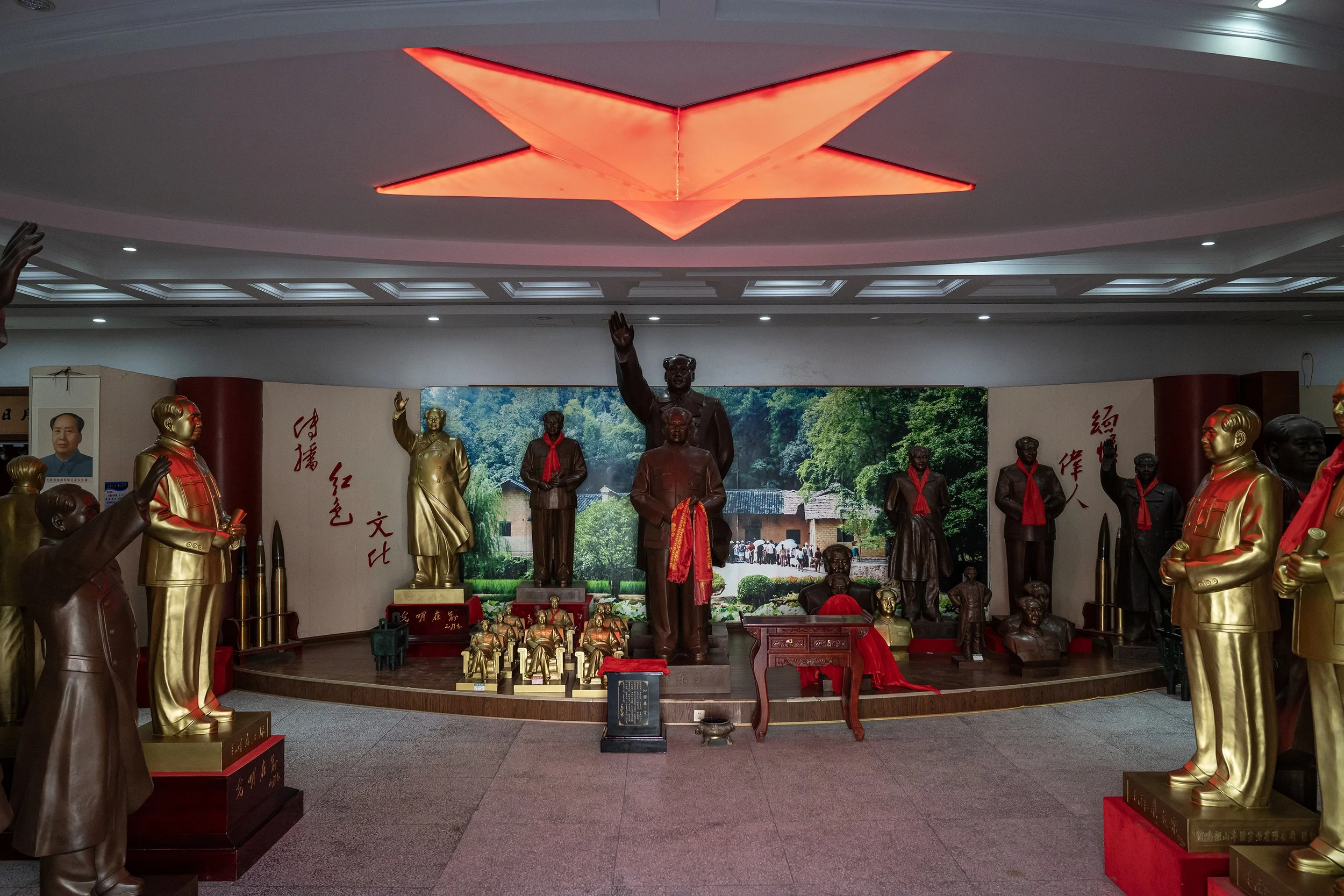
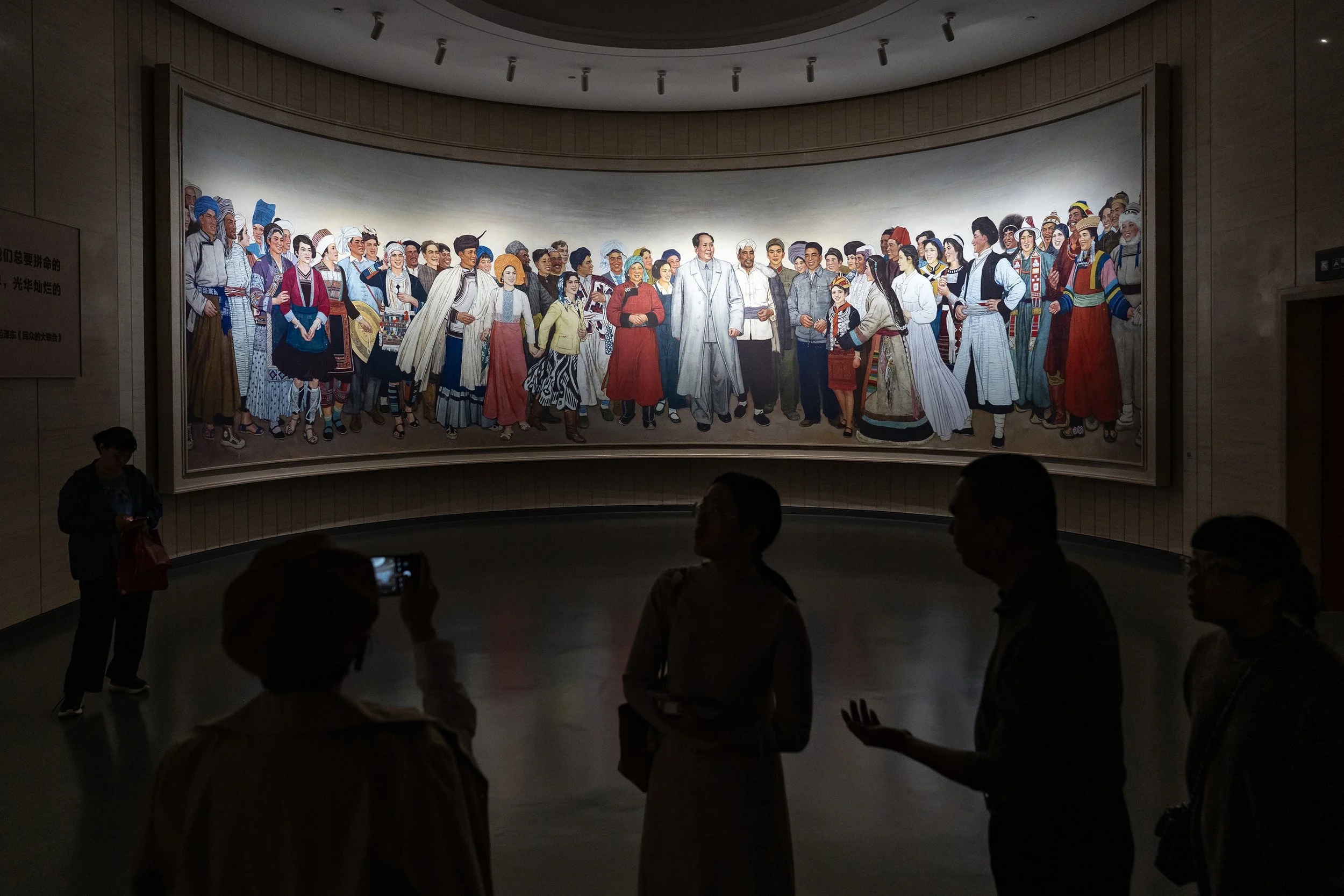

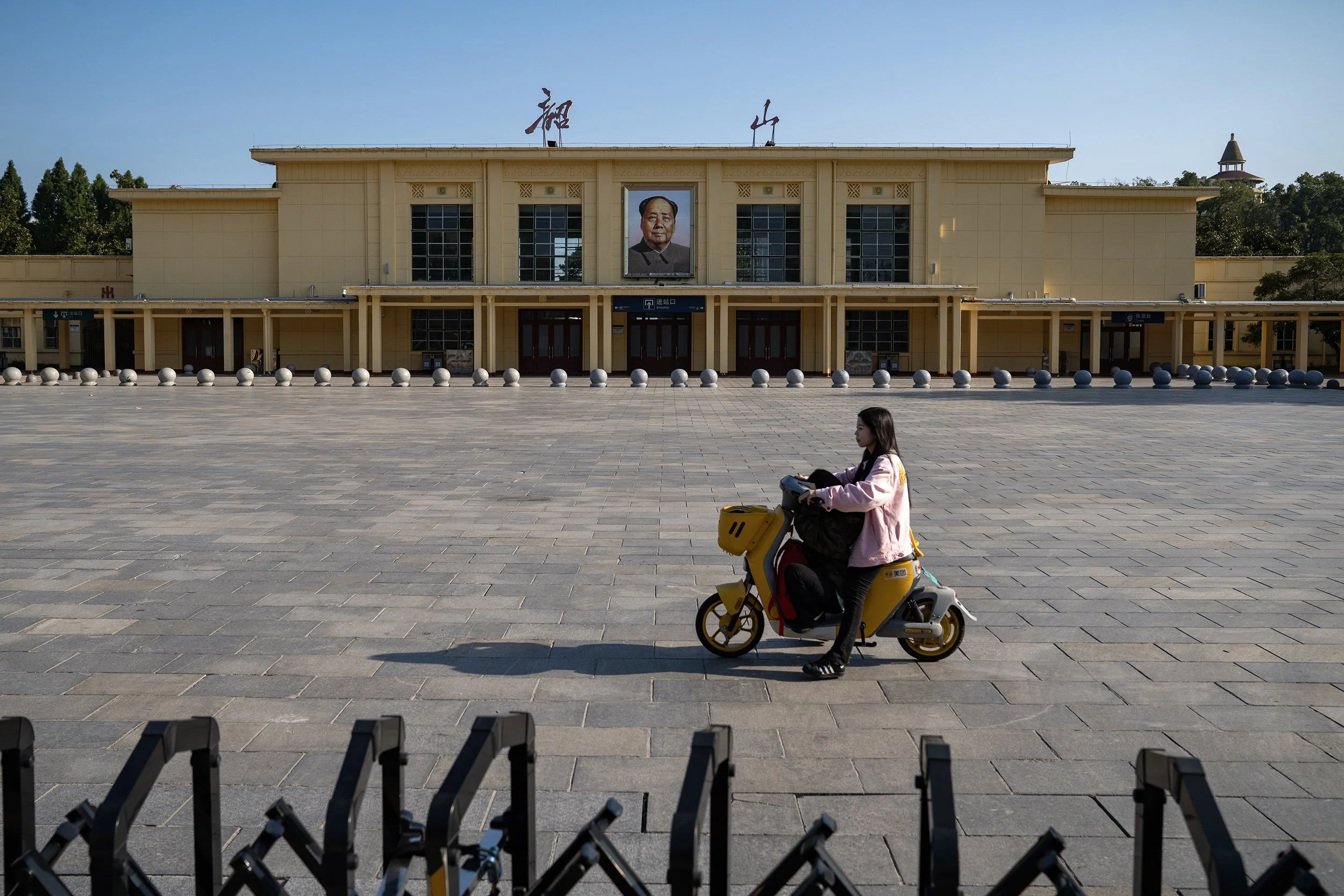
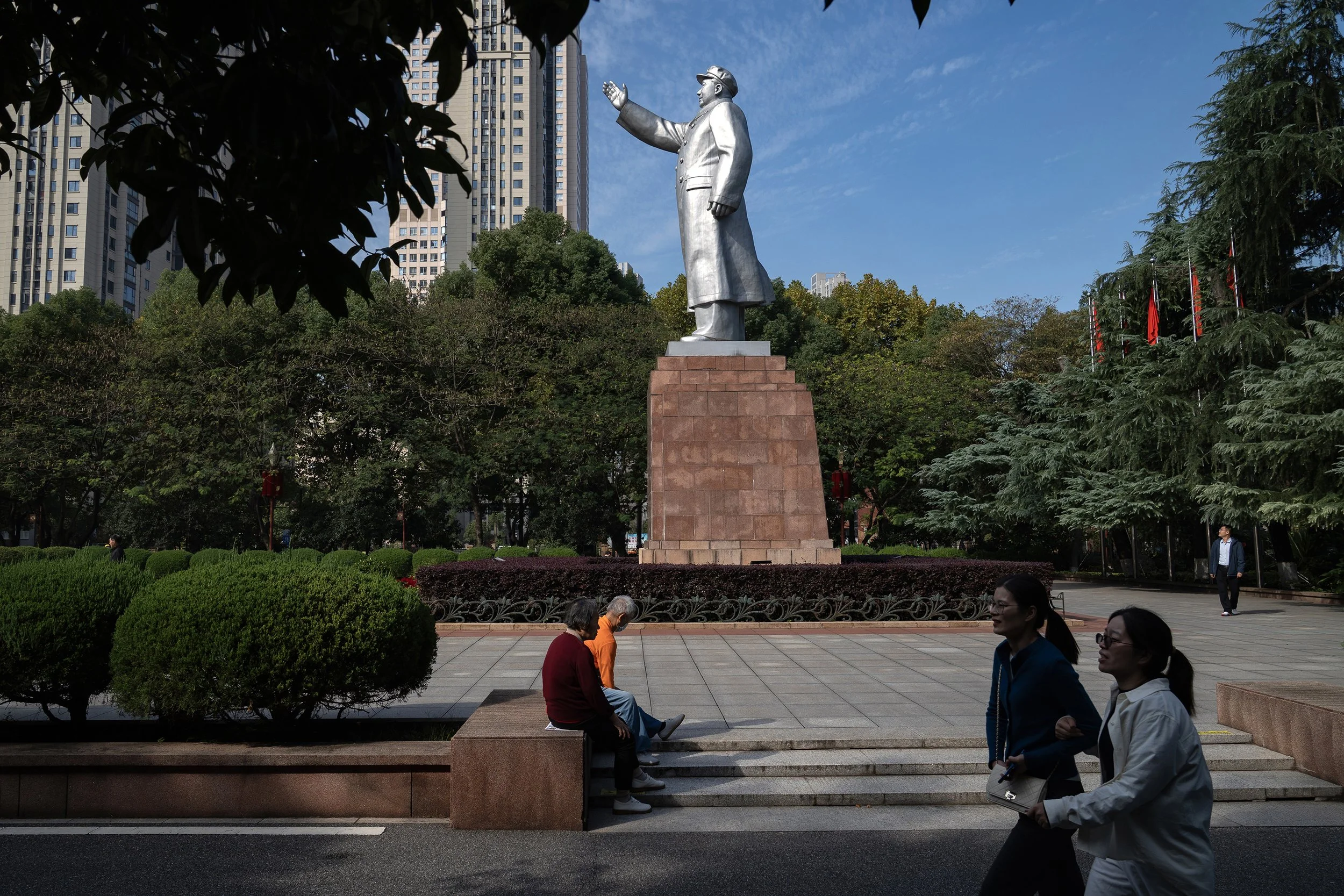
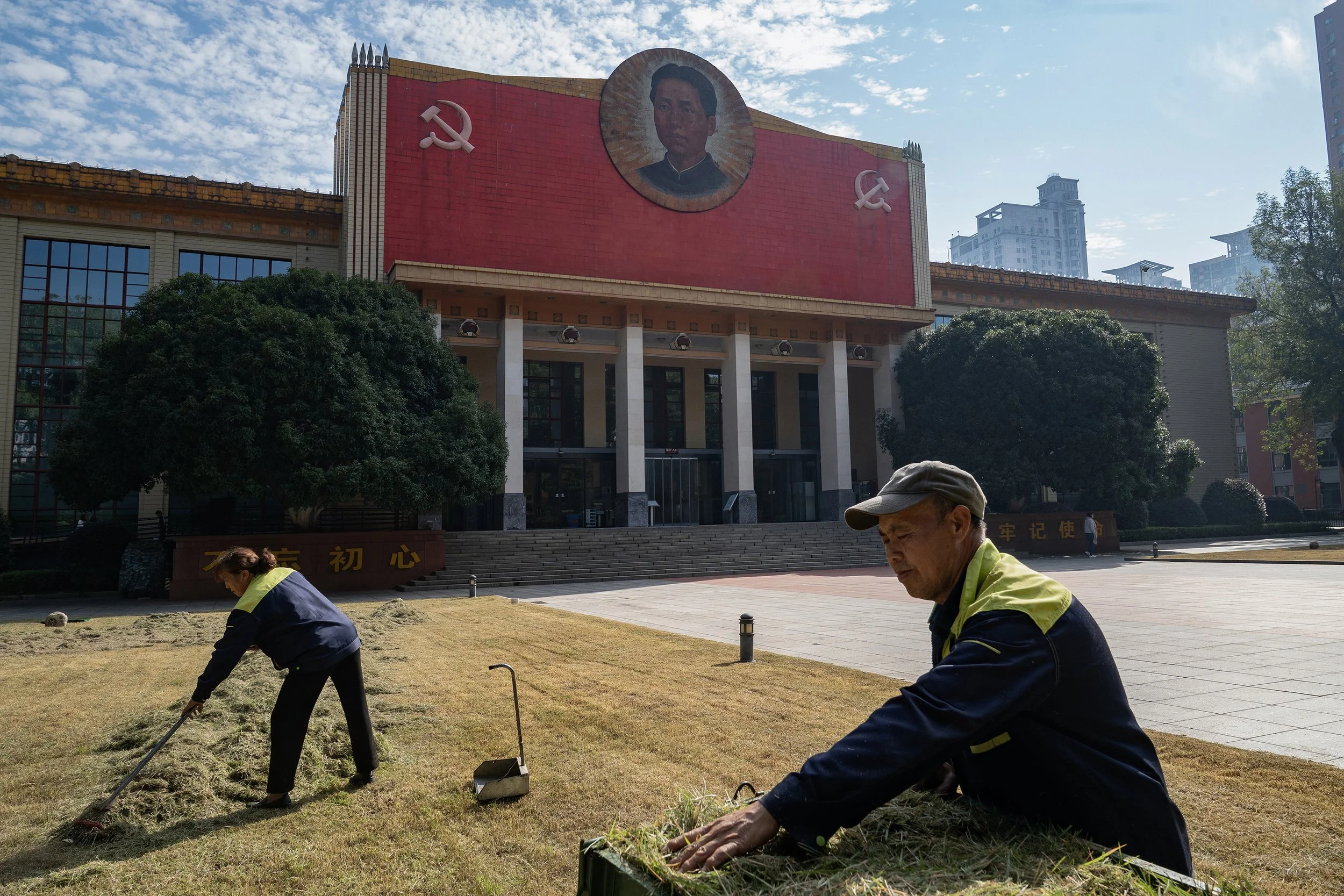
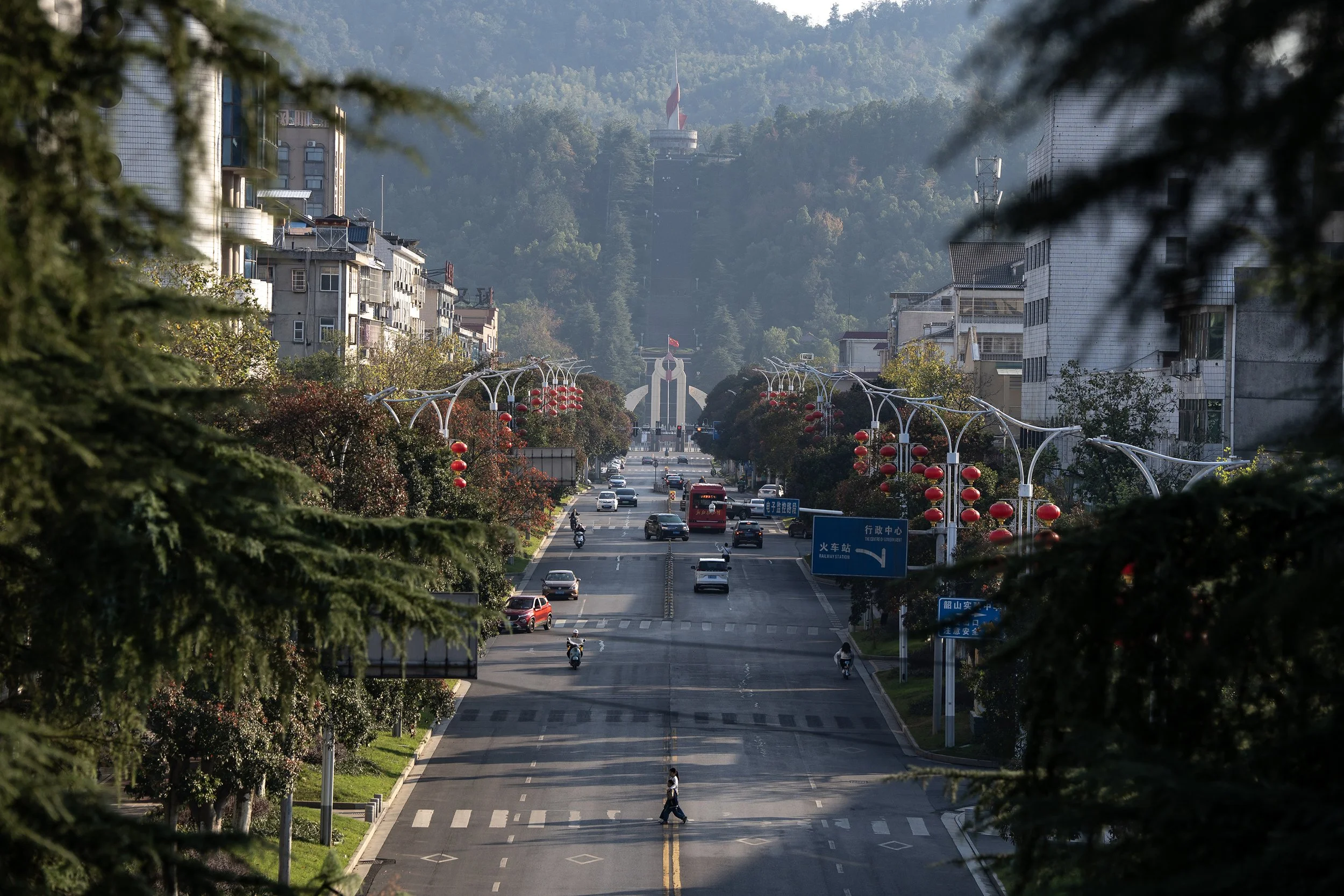
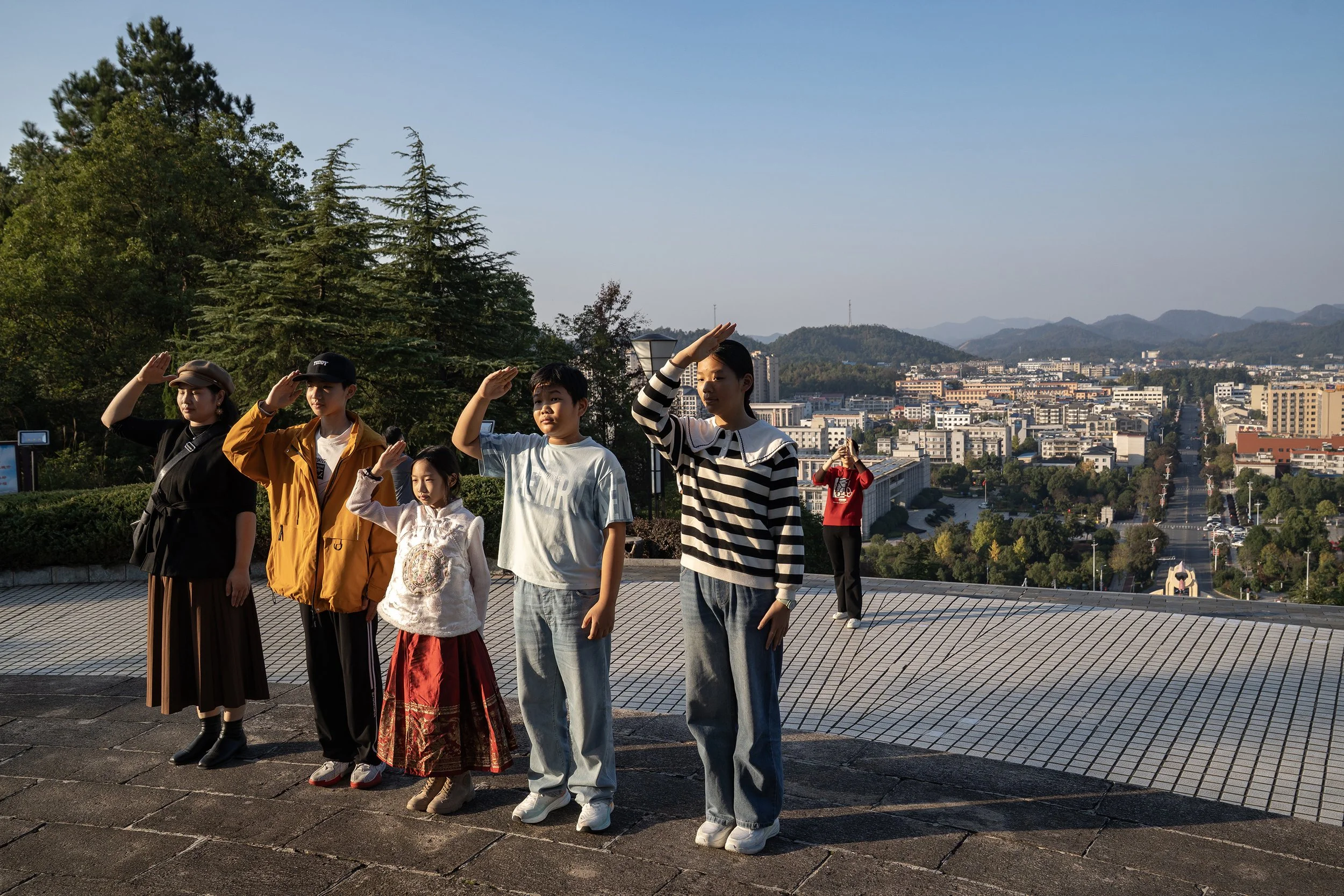
Shaoshan, in Hunan province, just 30 minutes by high-speed train from Changsha, the provincial capital, is the village where Mao Zedong was born in 1893 to a peasant family. Once a quiet rural settlement, it has been transformed into a carefully preserved revolutionary site, with Mao’s former residence, memorial halls and museums drawing visitors from across the country: banners, statues, slogans, factories churning out Mao’s statues, and revolutionary music playing in the streets frame a landscape where history and contemporary politics intersect.
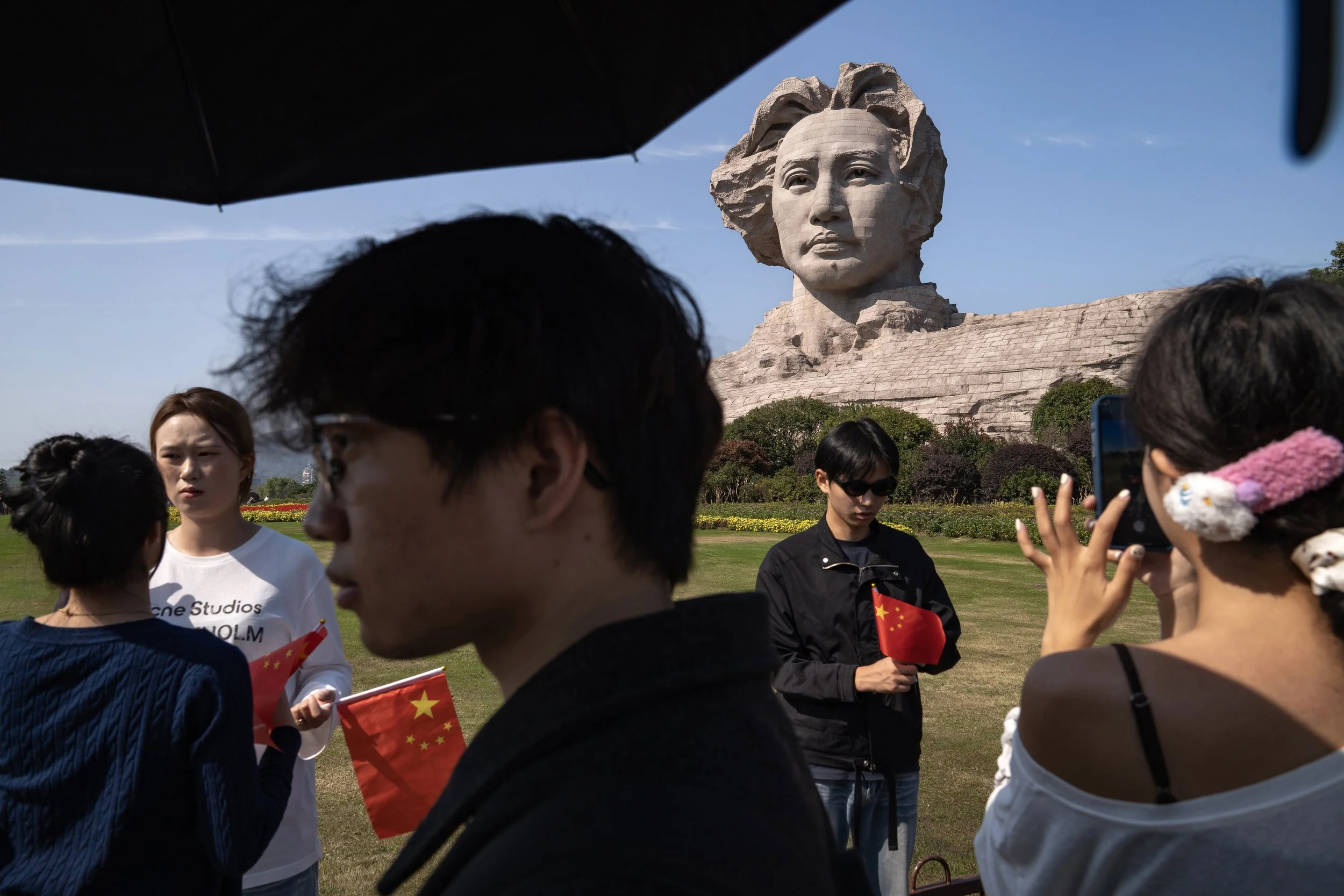
Shaoshan is one of China’s most prominent destinations for “Red Tourism,” a state-promoted form of travel that blends historical commemoration with patriotic education. Millions of visitors—students, party cadres, retirees, and families—arrive each year, often as part of organized tours. They come to pay tribute: taking photographs, laying flowers before Mao’s statue, praying, prostrating even.
The town’s economy now revolves largely around this steady flow of visitors, with hotels, souvenir shops, restaurants, museums, reshaping daily life. Shaoshan is a living site where memory, ideology, and tourism converge: while its significance remains rooted in Mao’s legacy, its present-day role reflects how history is curated, shaped, and mobilized in contemporary China.