HOW A CHINESE BORDER TOWN KEEPS RUSSIA’S ECONOMY AFLOAT (2025)
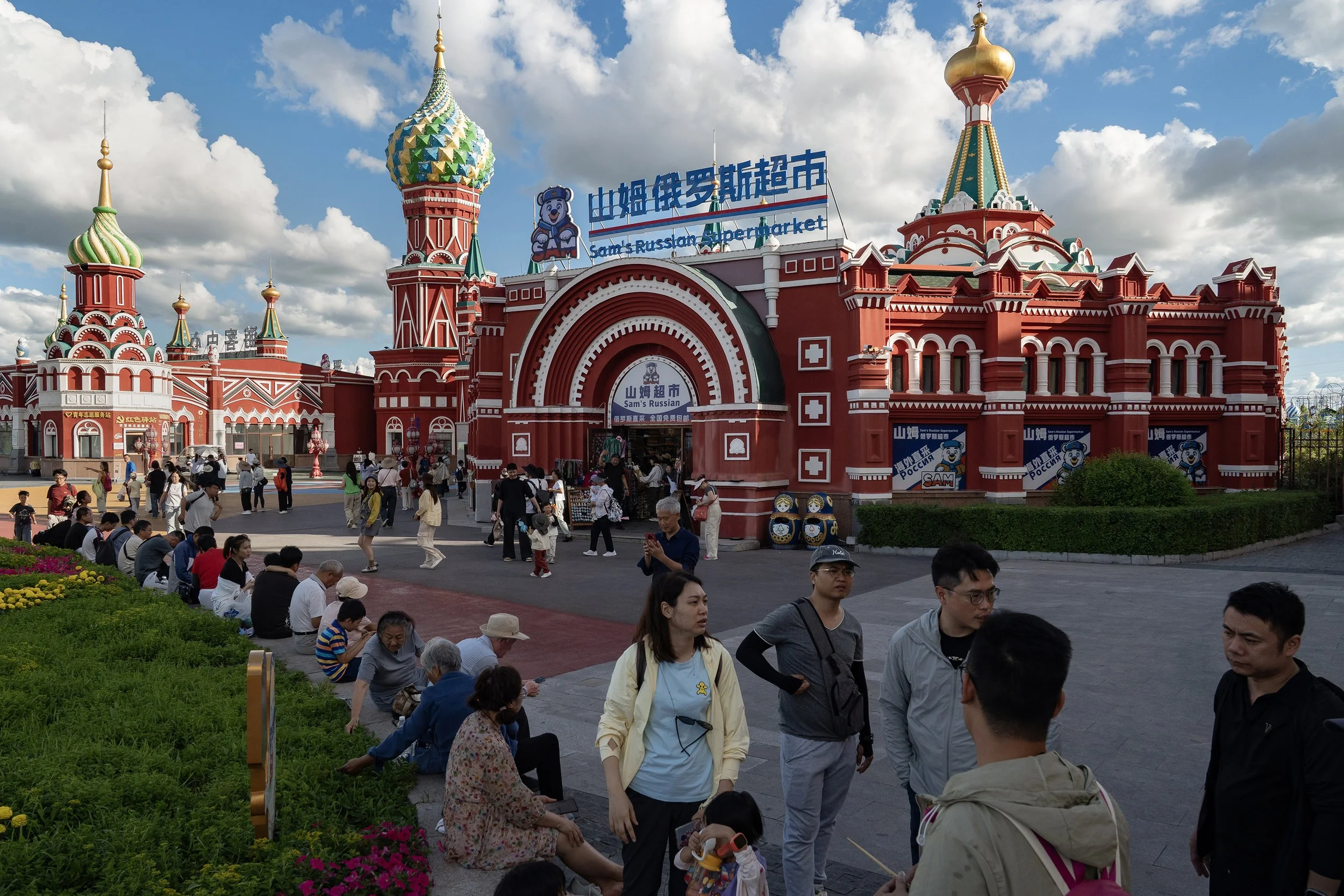
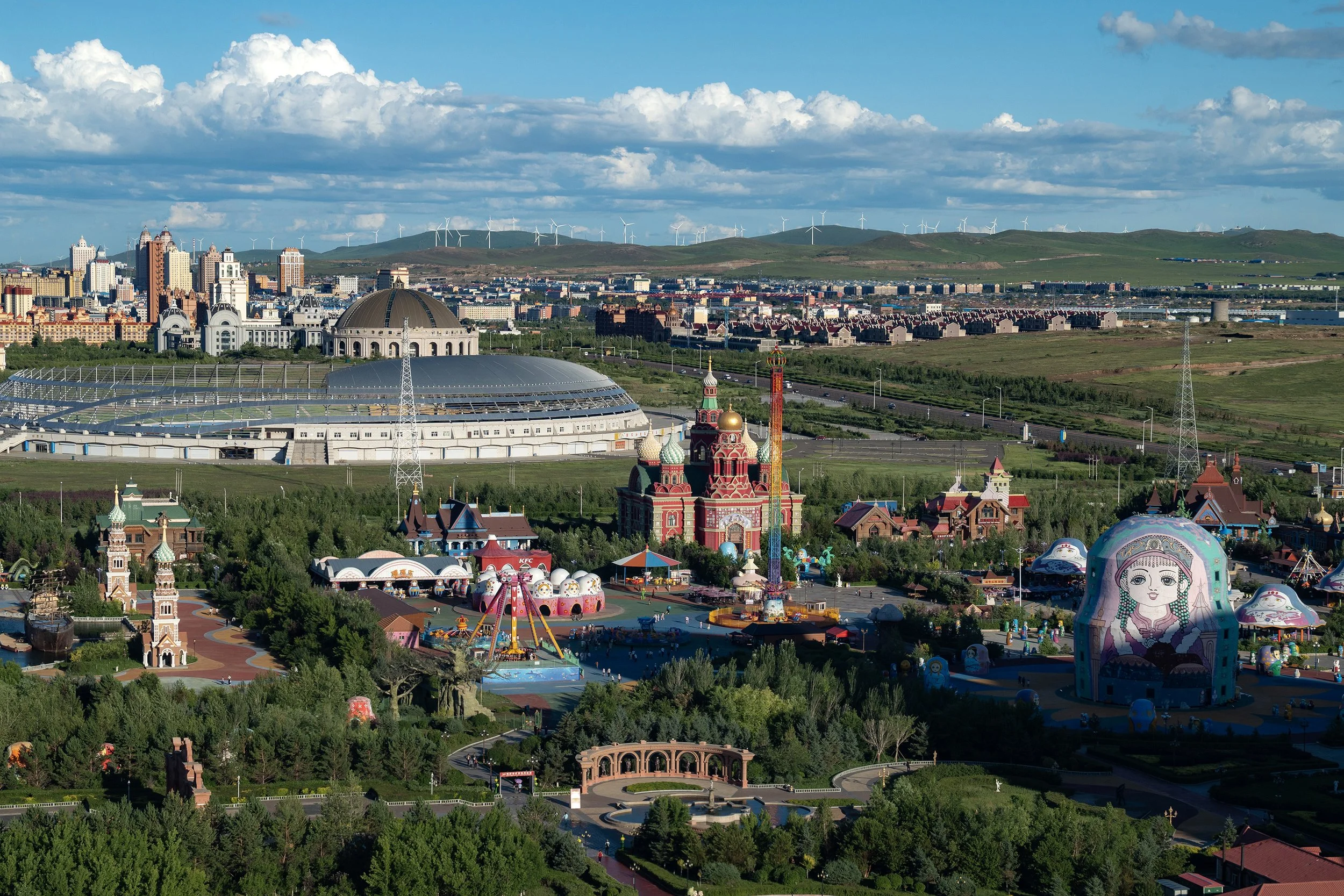
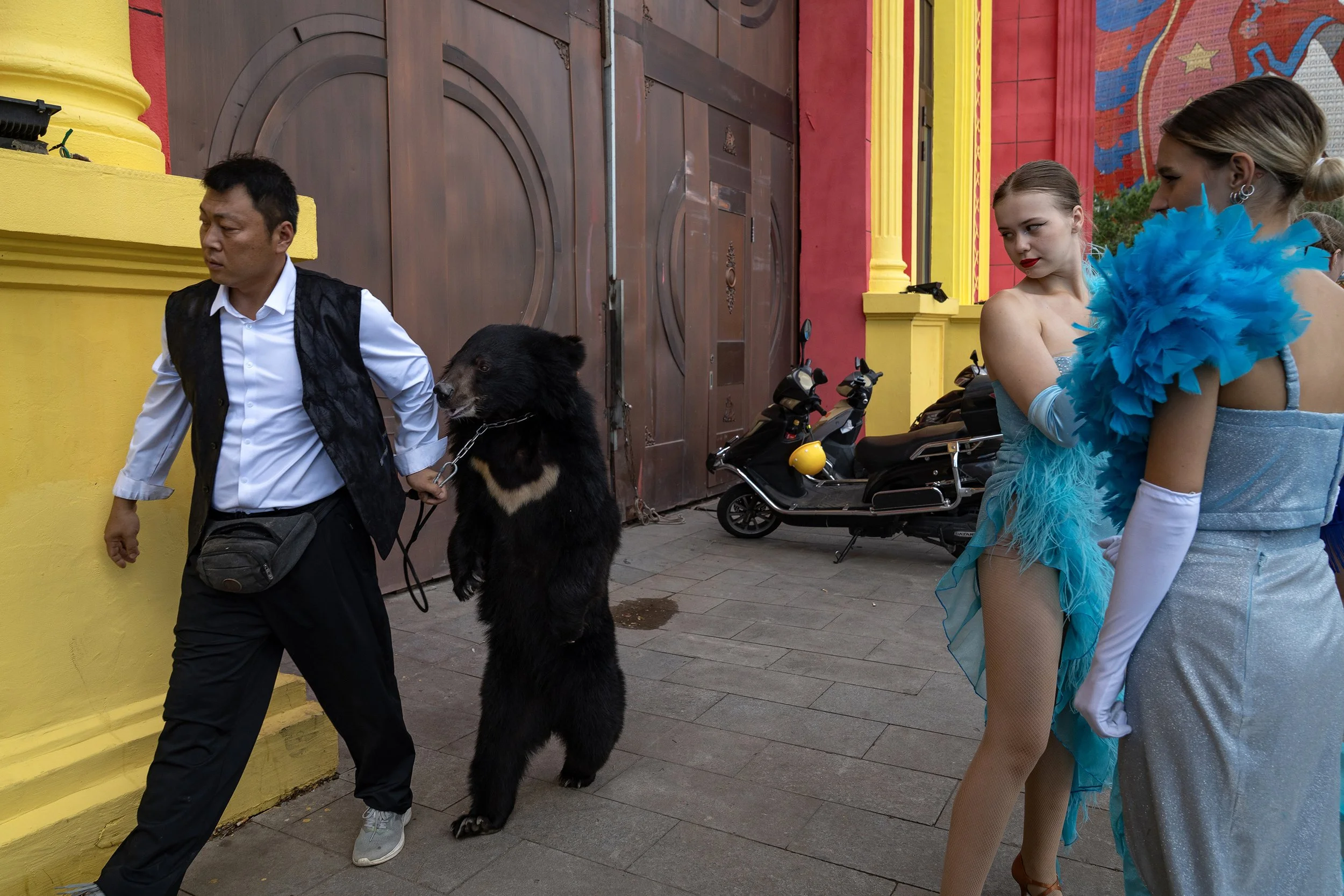
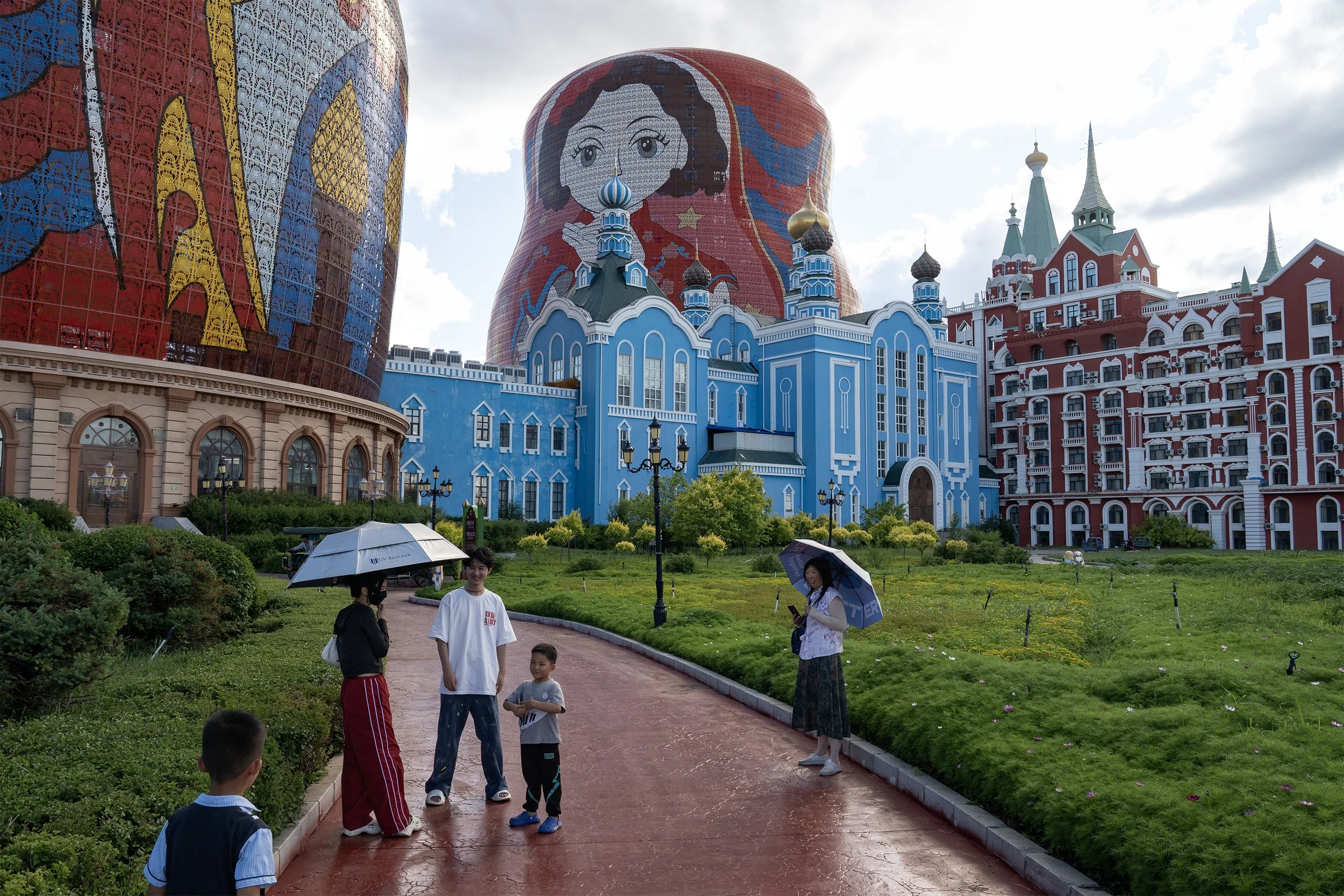
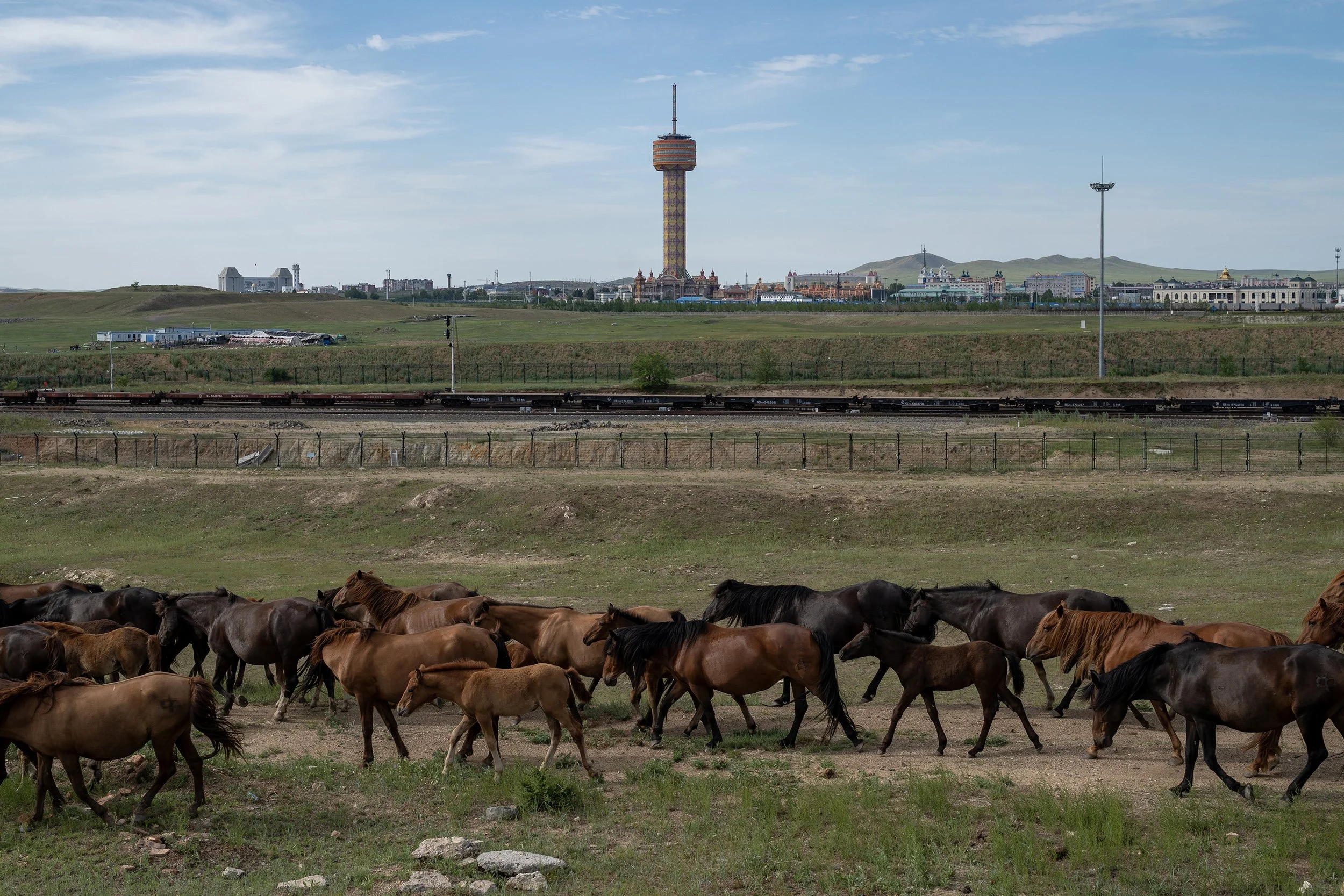
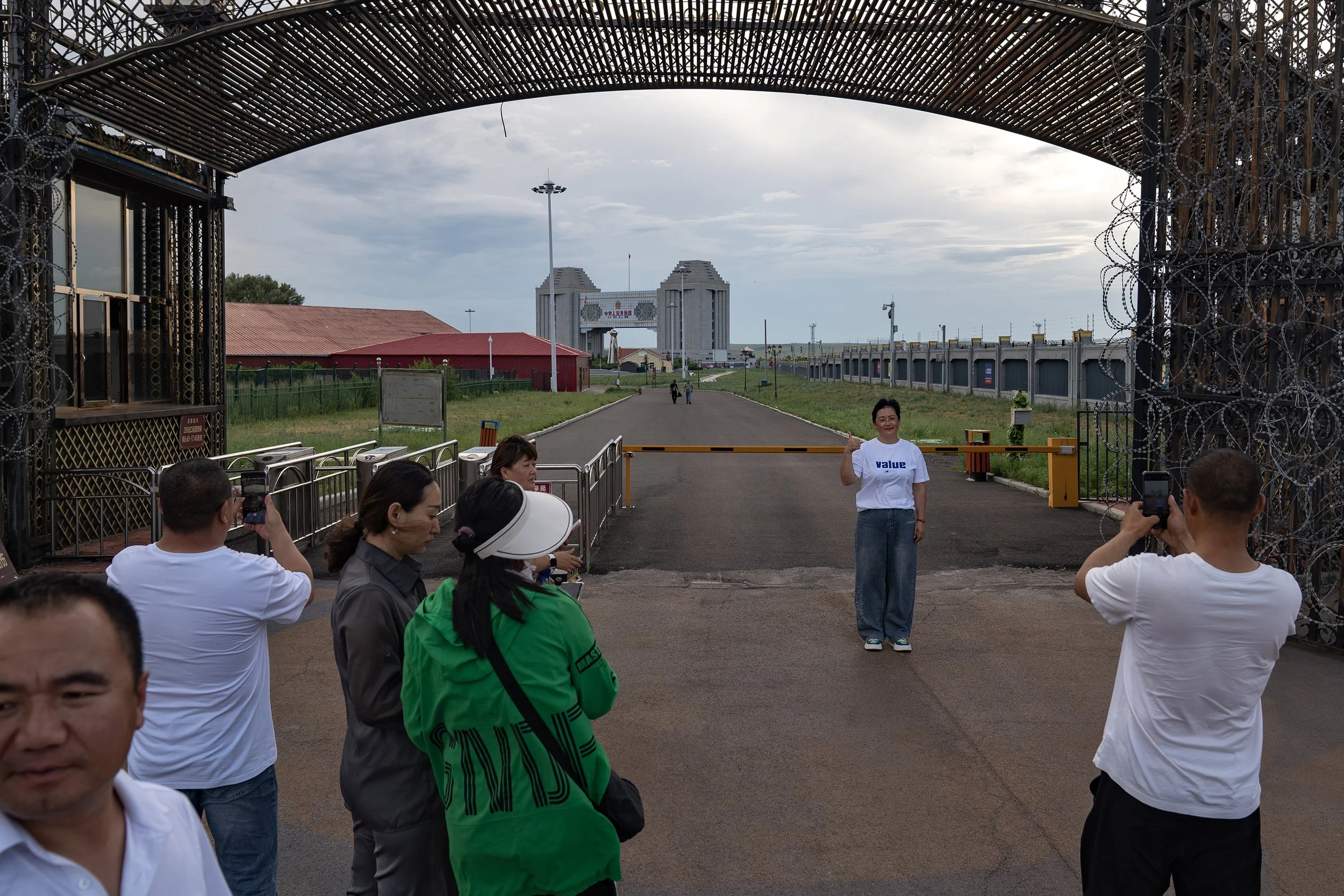
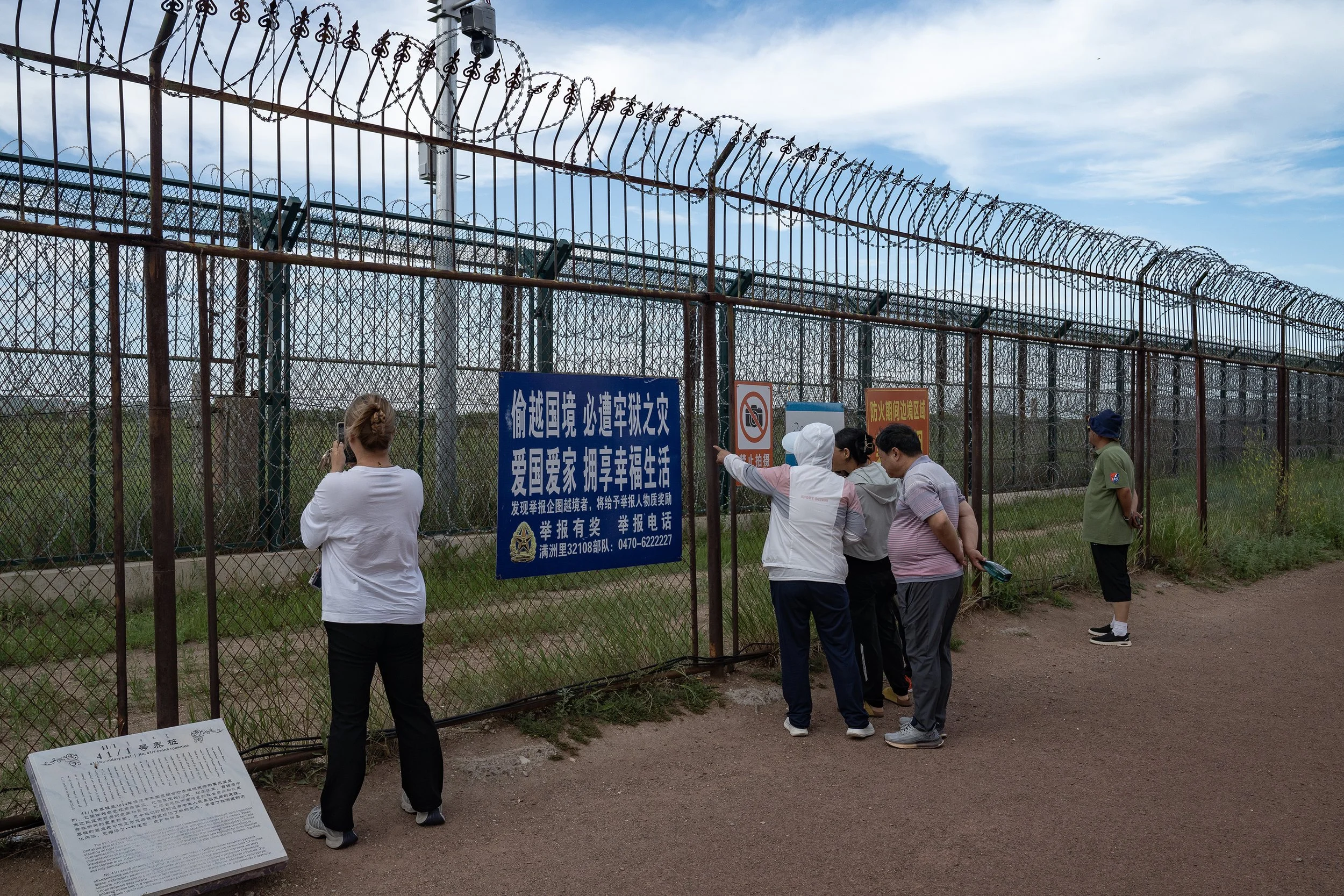
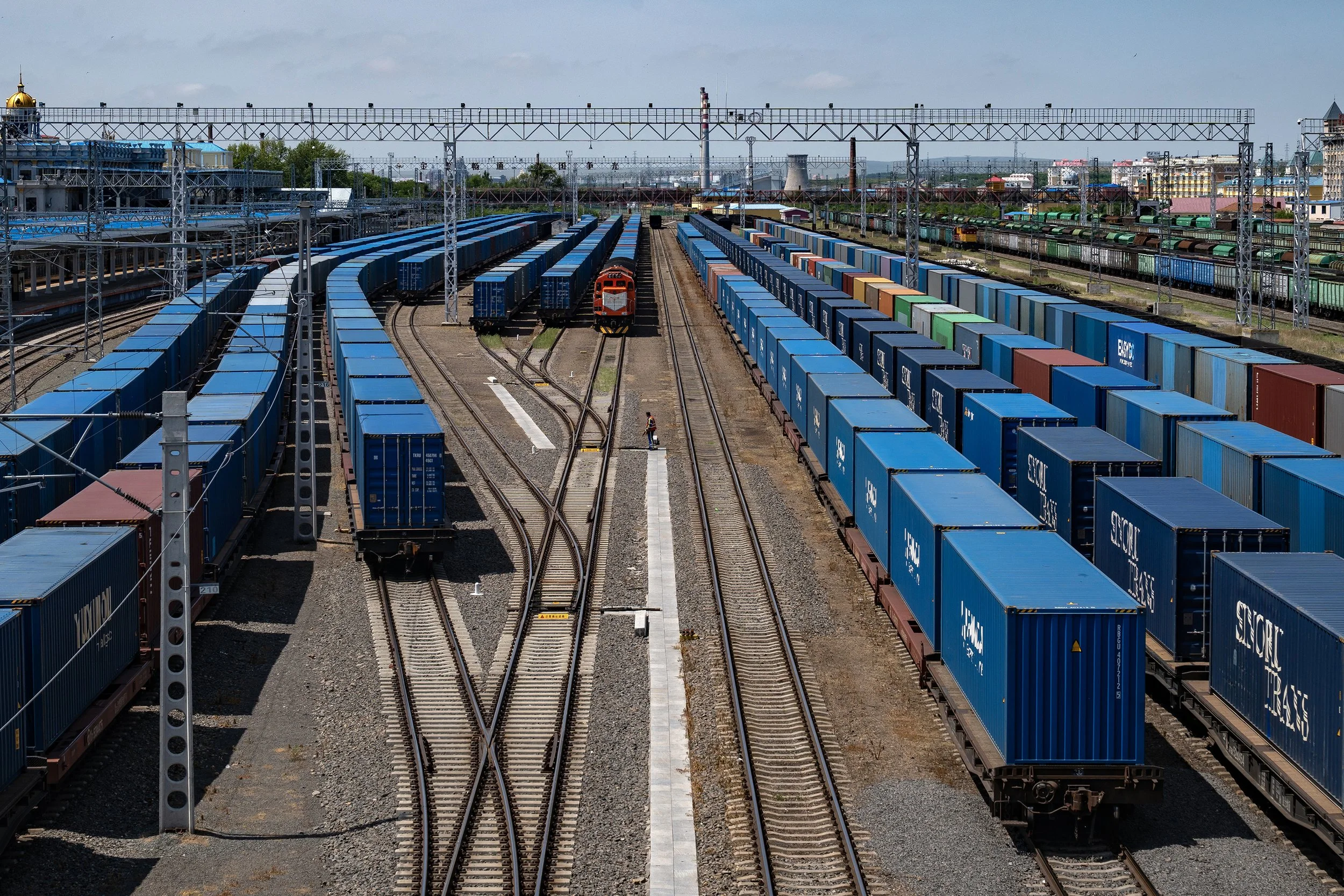
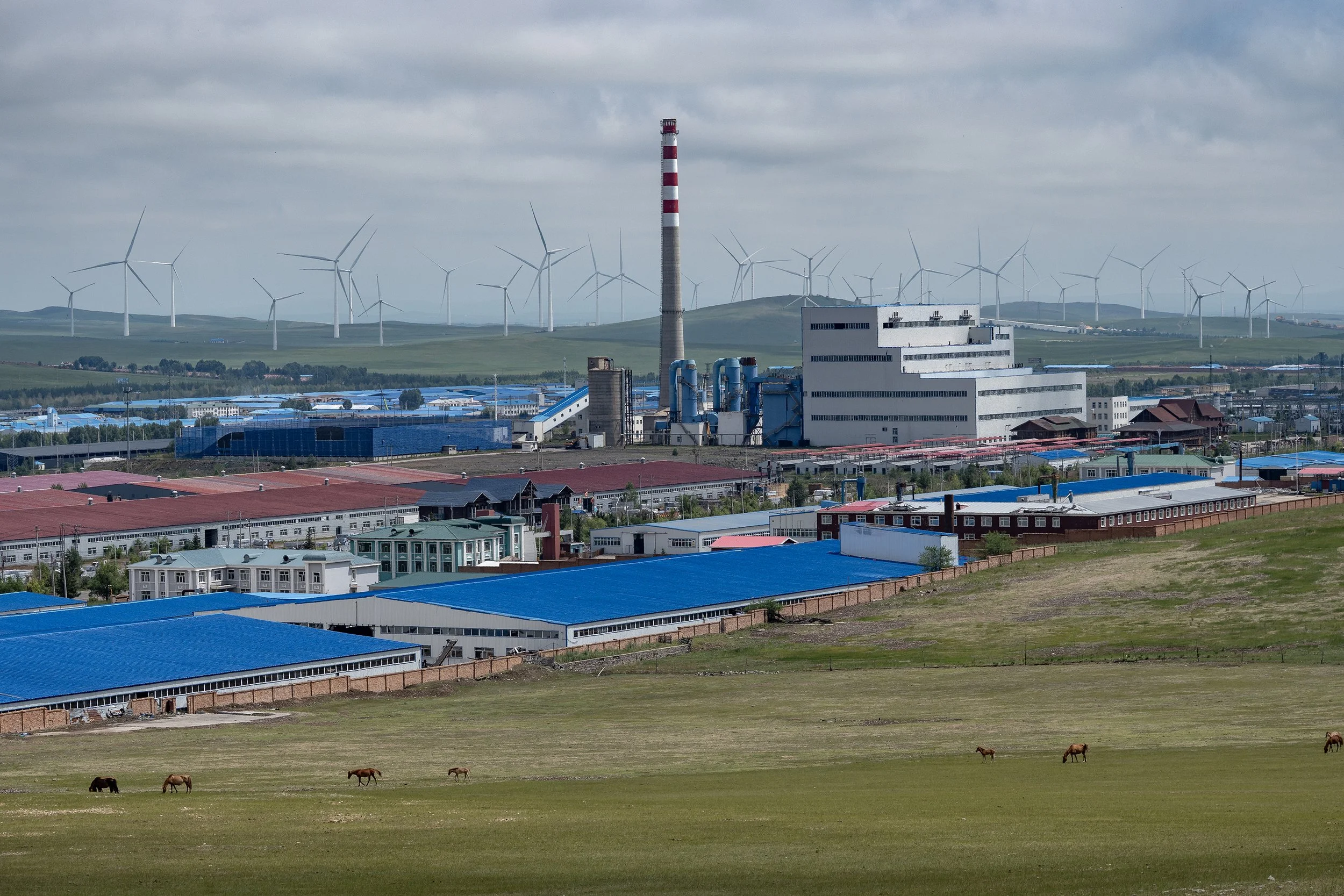
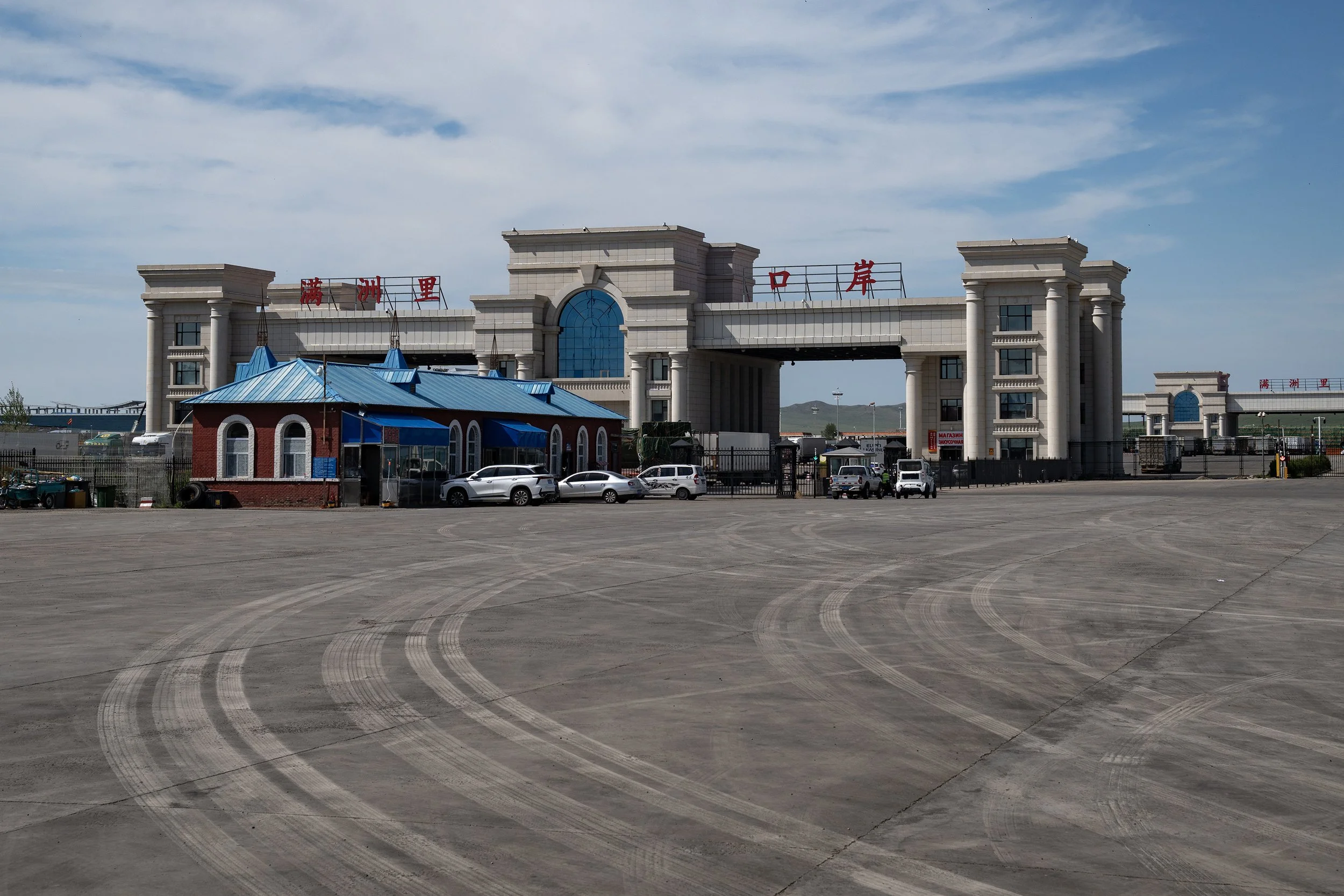
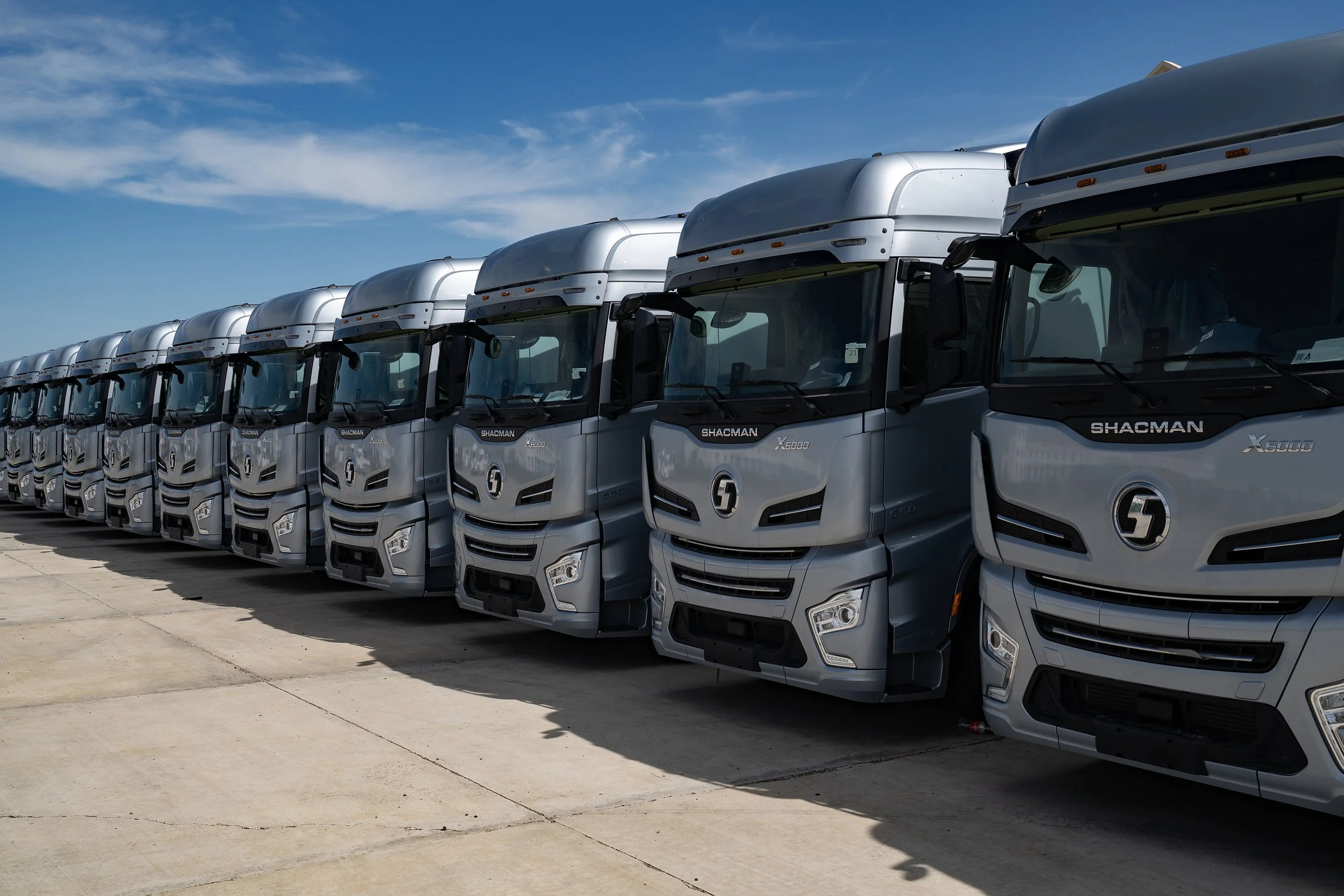
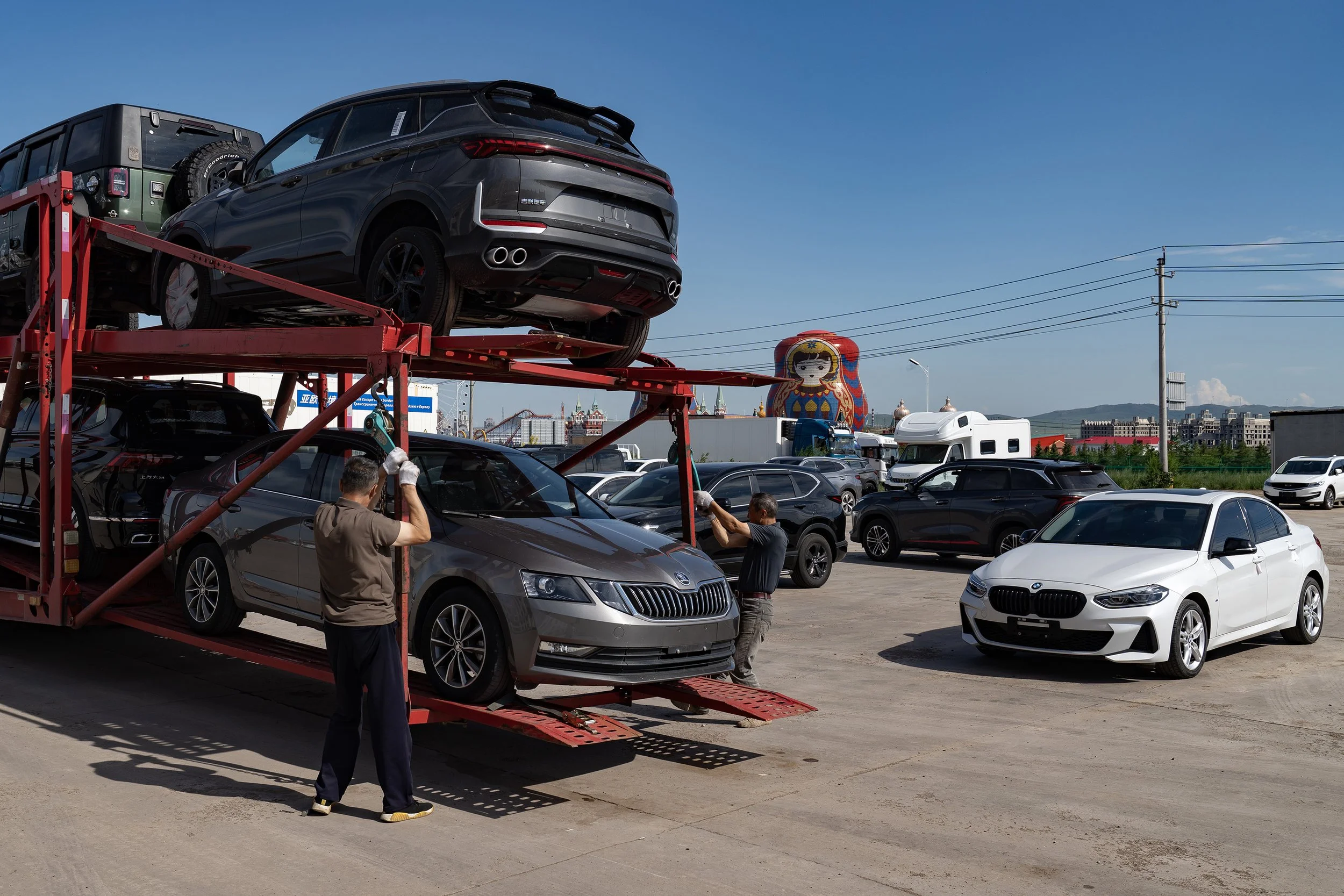
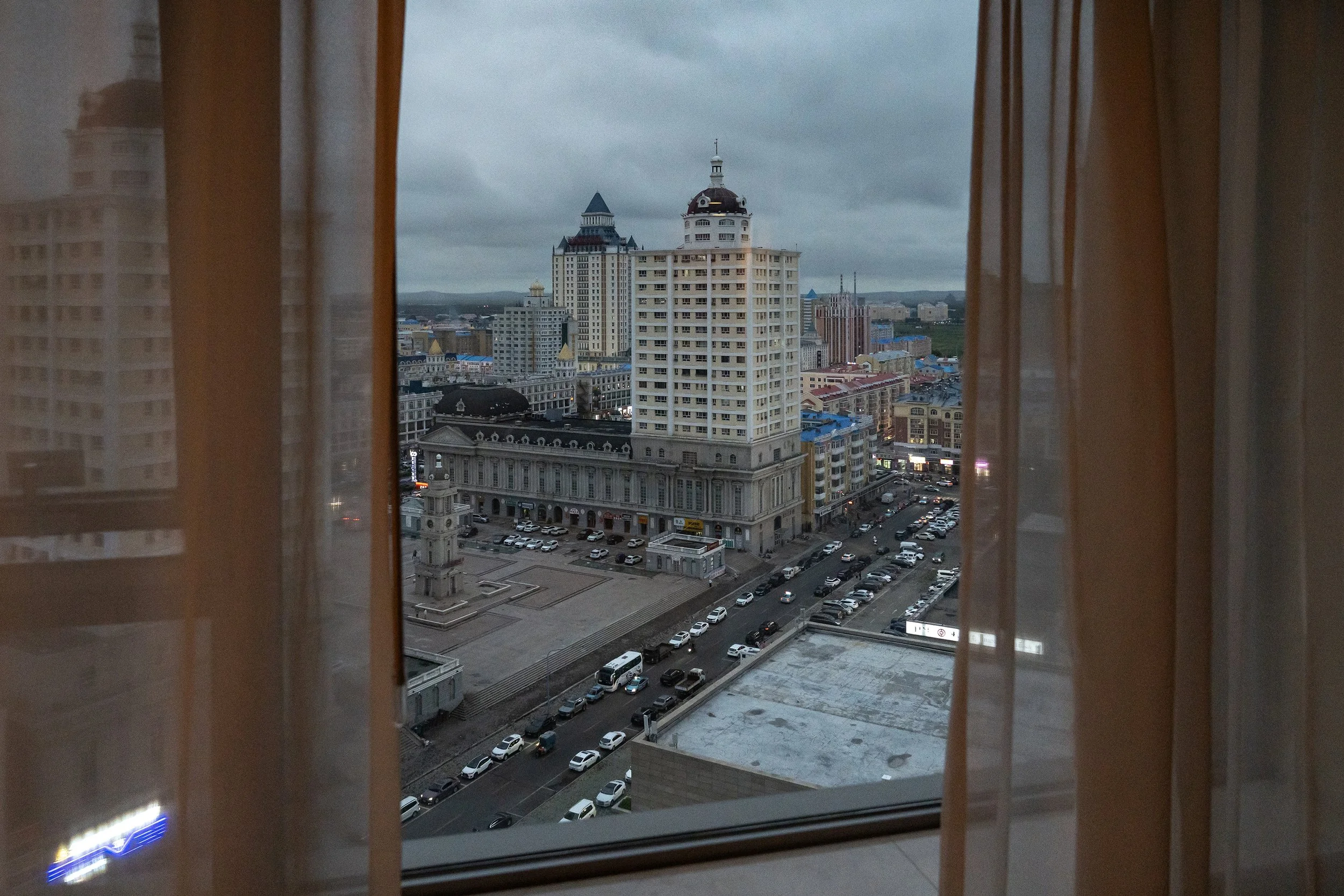
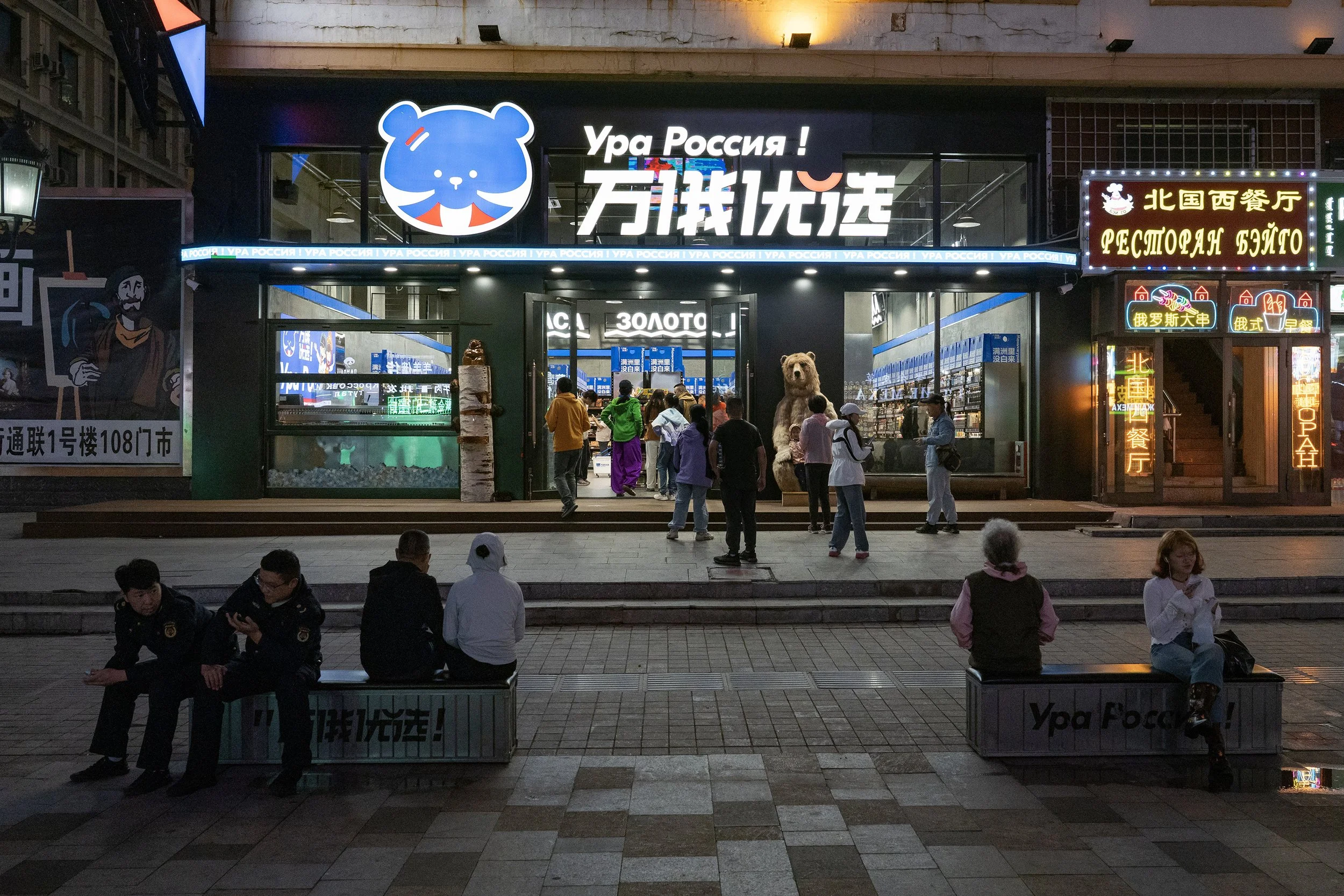
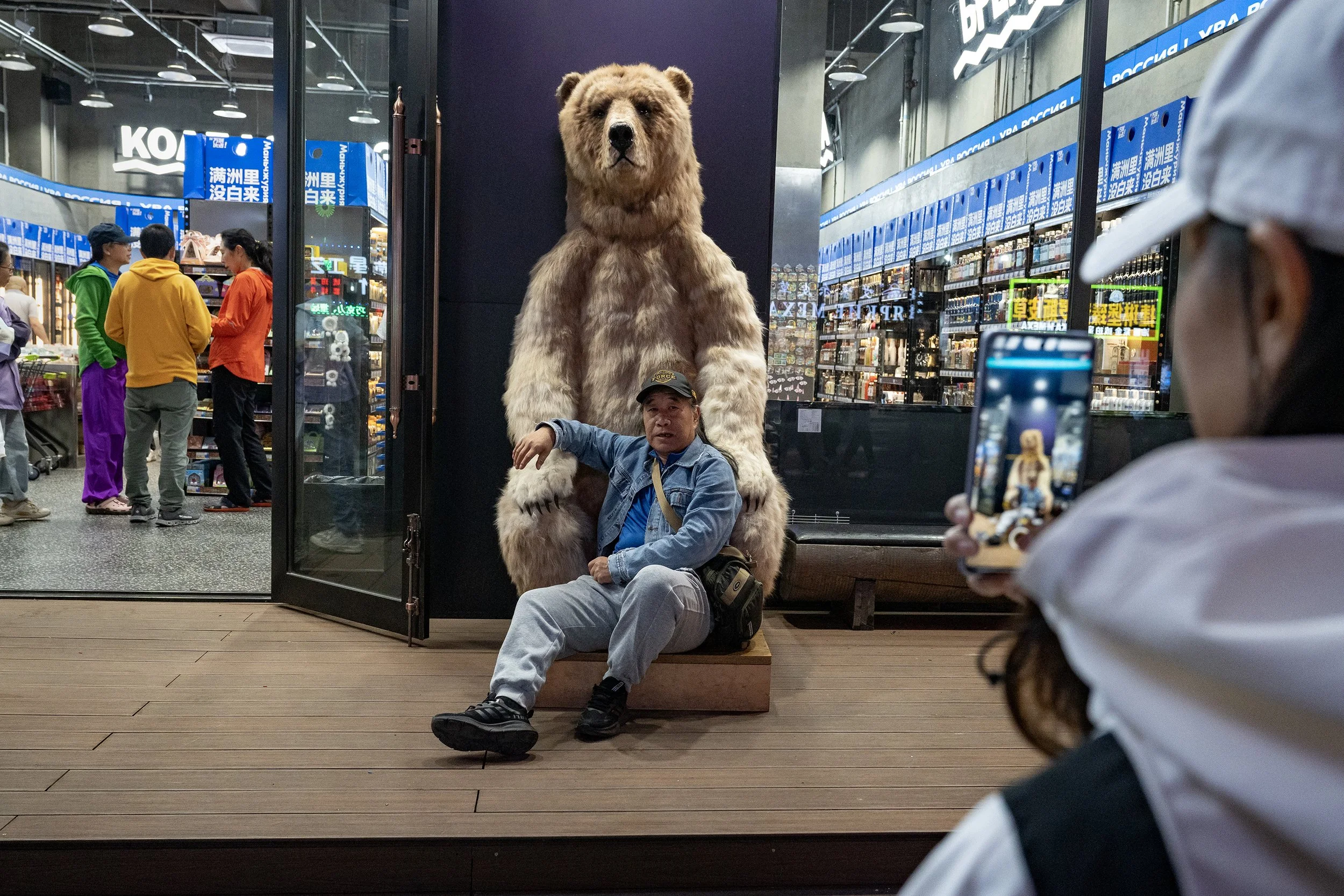
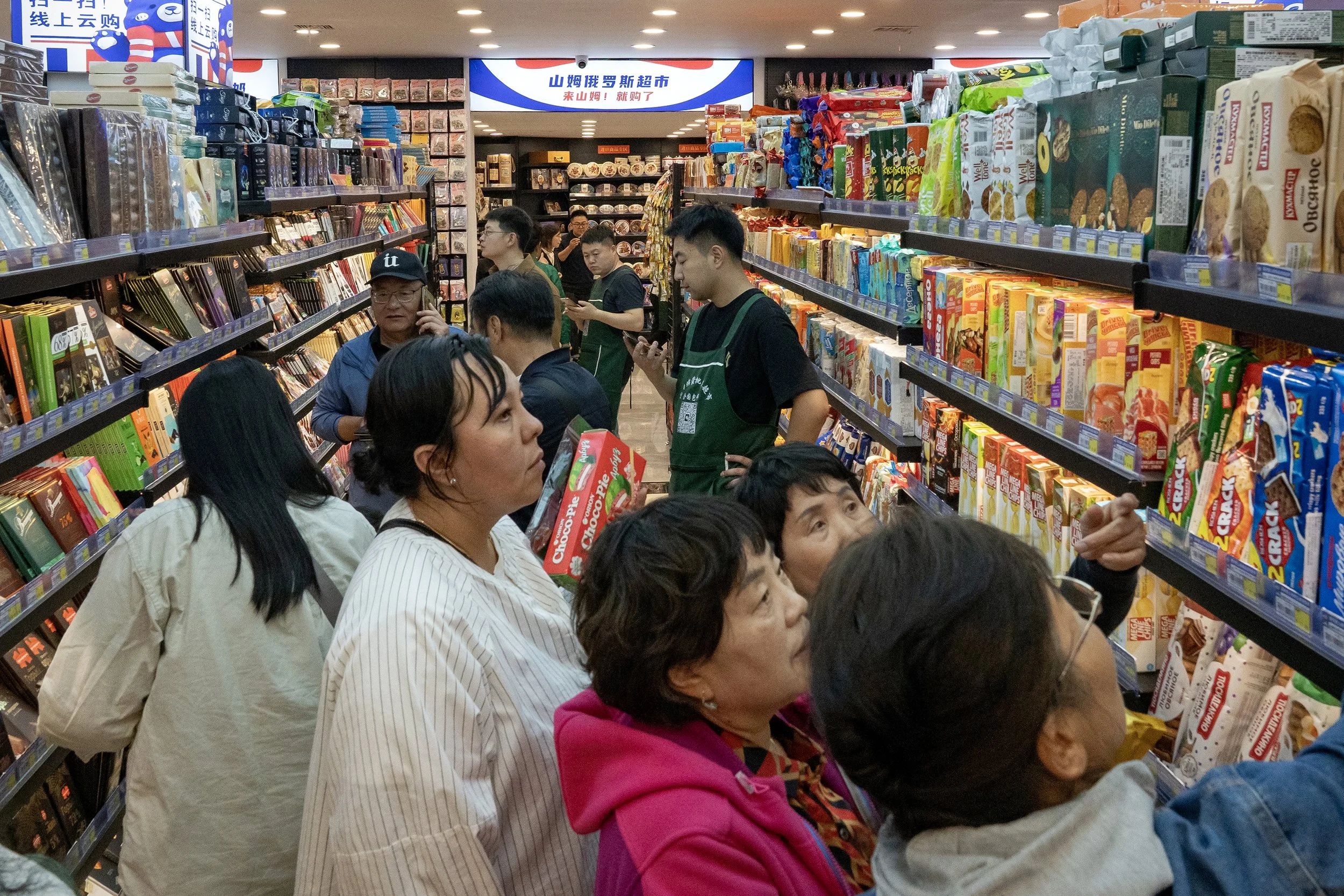
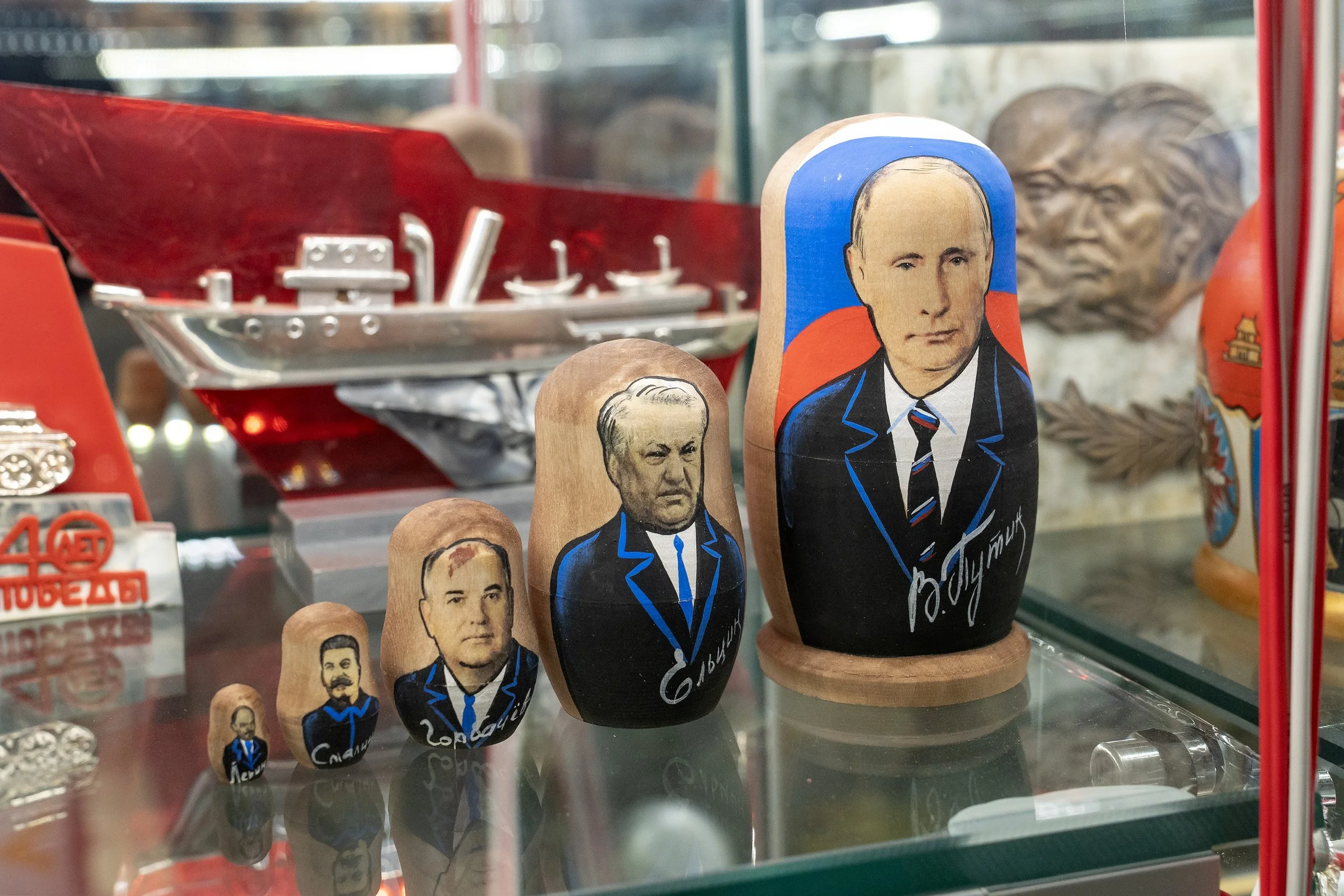
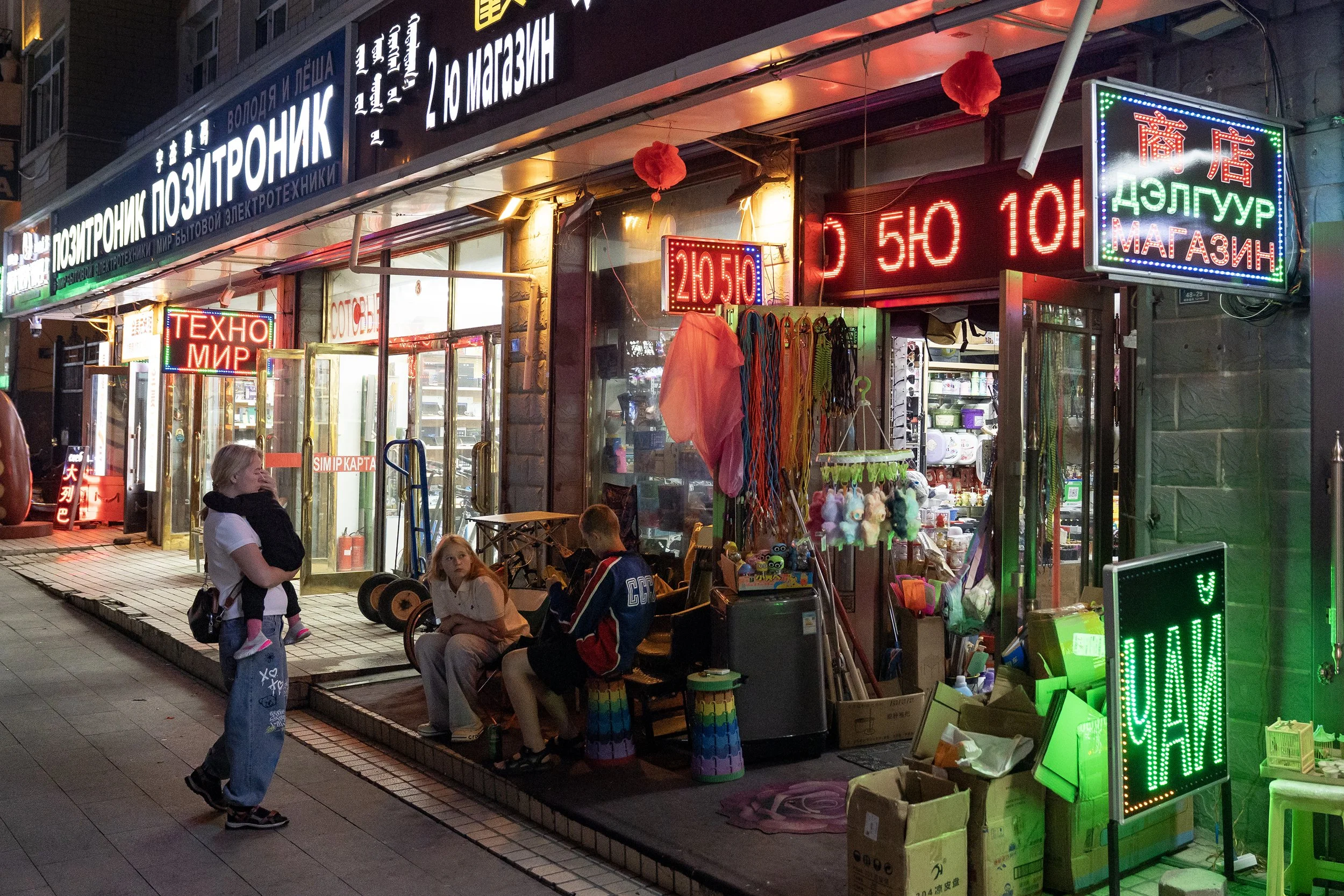
Manzhouli, China’s main border crossing with Russia, Inner Mongolia province, year 3 of Russia’s war in Ukraine.
The border gate on the Chinese side is a tourist attraction with even an observation tower, but foreigners cannot access it — or, as the person at the ticket counter put it: “The system is not updated to sell tickets to foreigners…”
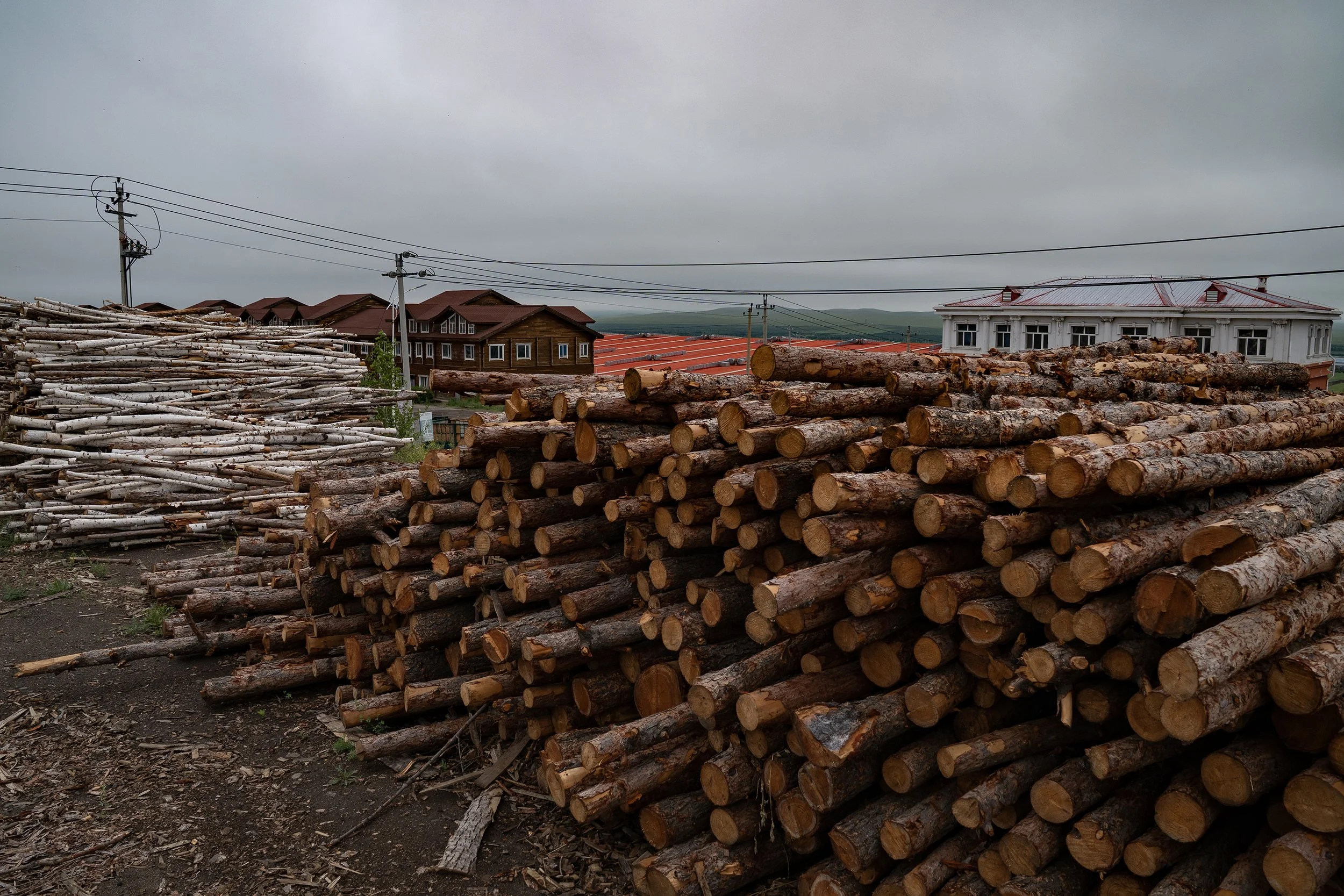
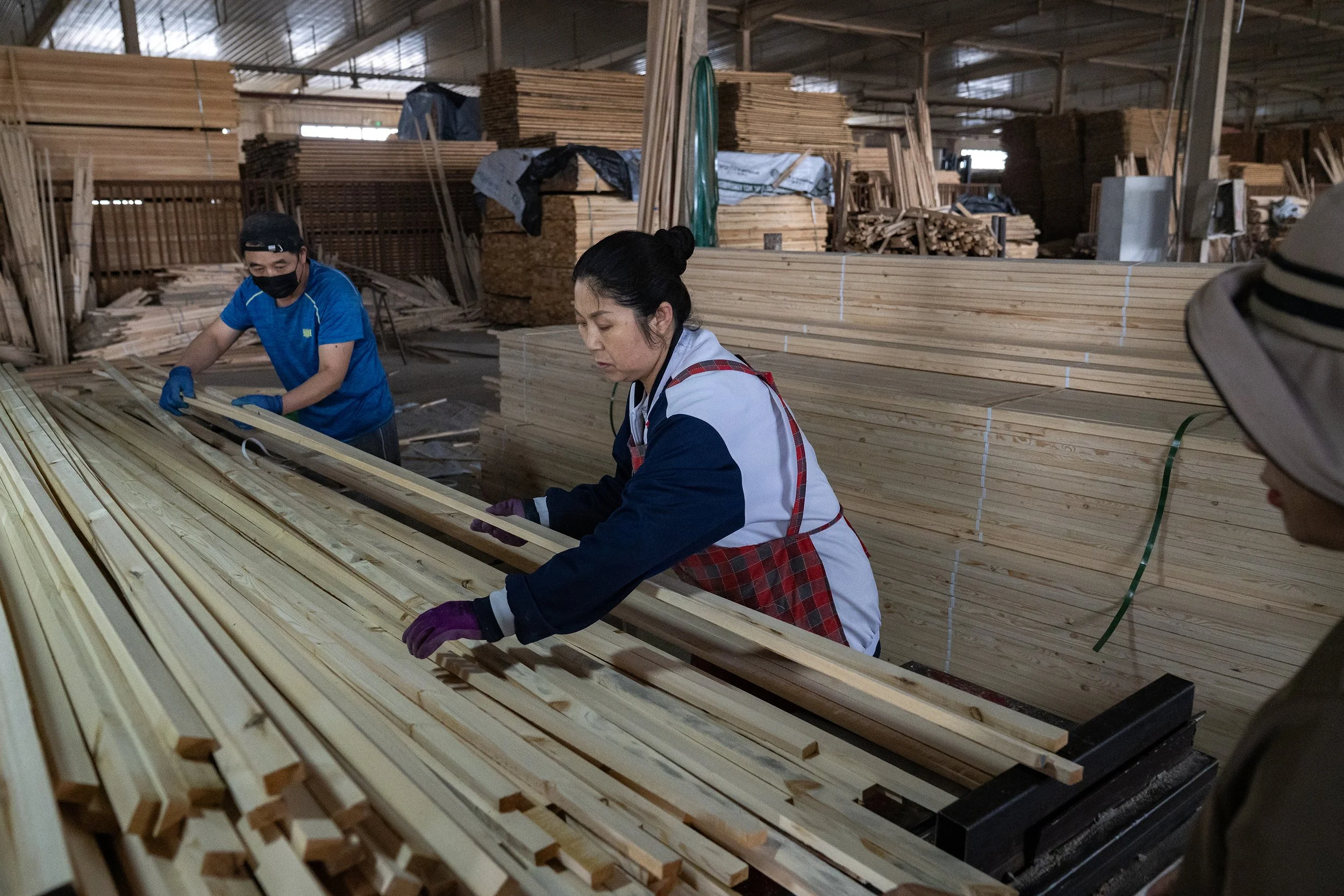
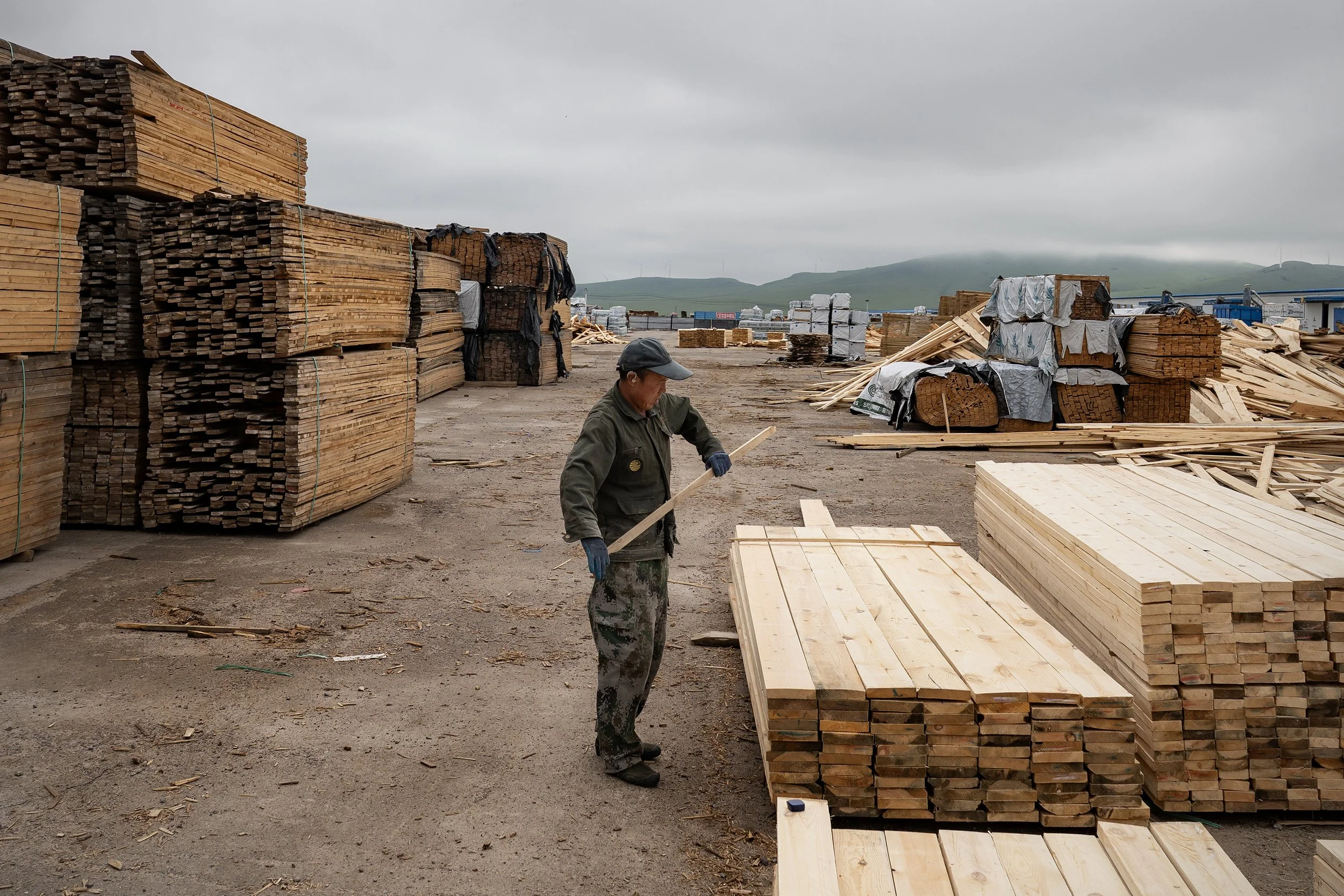
There are lots of lumber yards processing wood coming from Siberia via the railway, which is another interesting story: the entire China Eastern Railway — connecting Harbin to Manzhouli, and Manzhouli to Zabaikalsk on the Trans-Siberian Railway across the border — was built by the Russians between 1896 and 1902. It was a time when Manchuria was the confrontation ground of three empires: the Russian, the Chinese, and the Japanese.
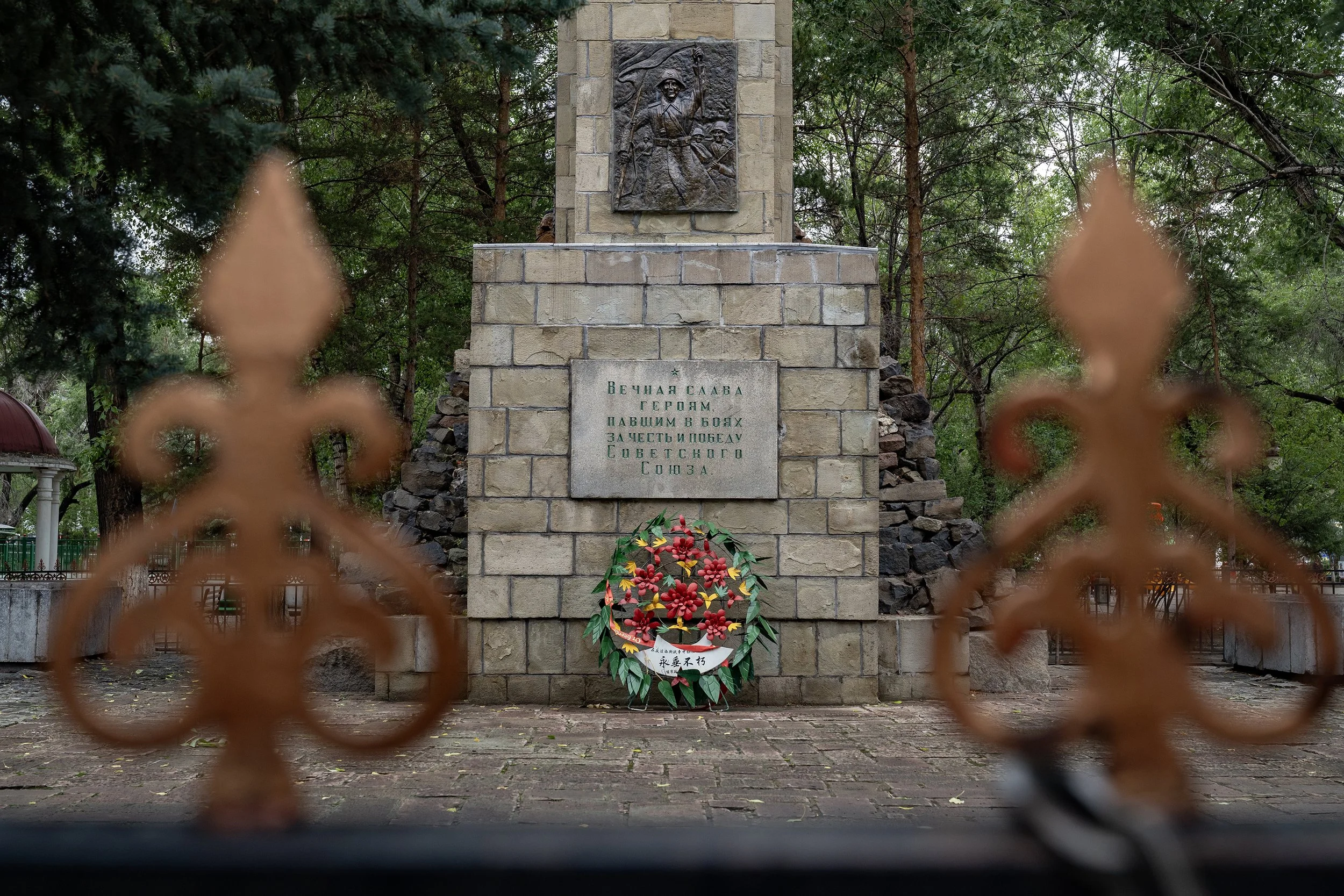
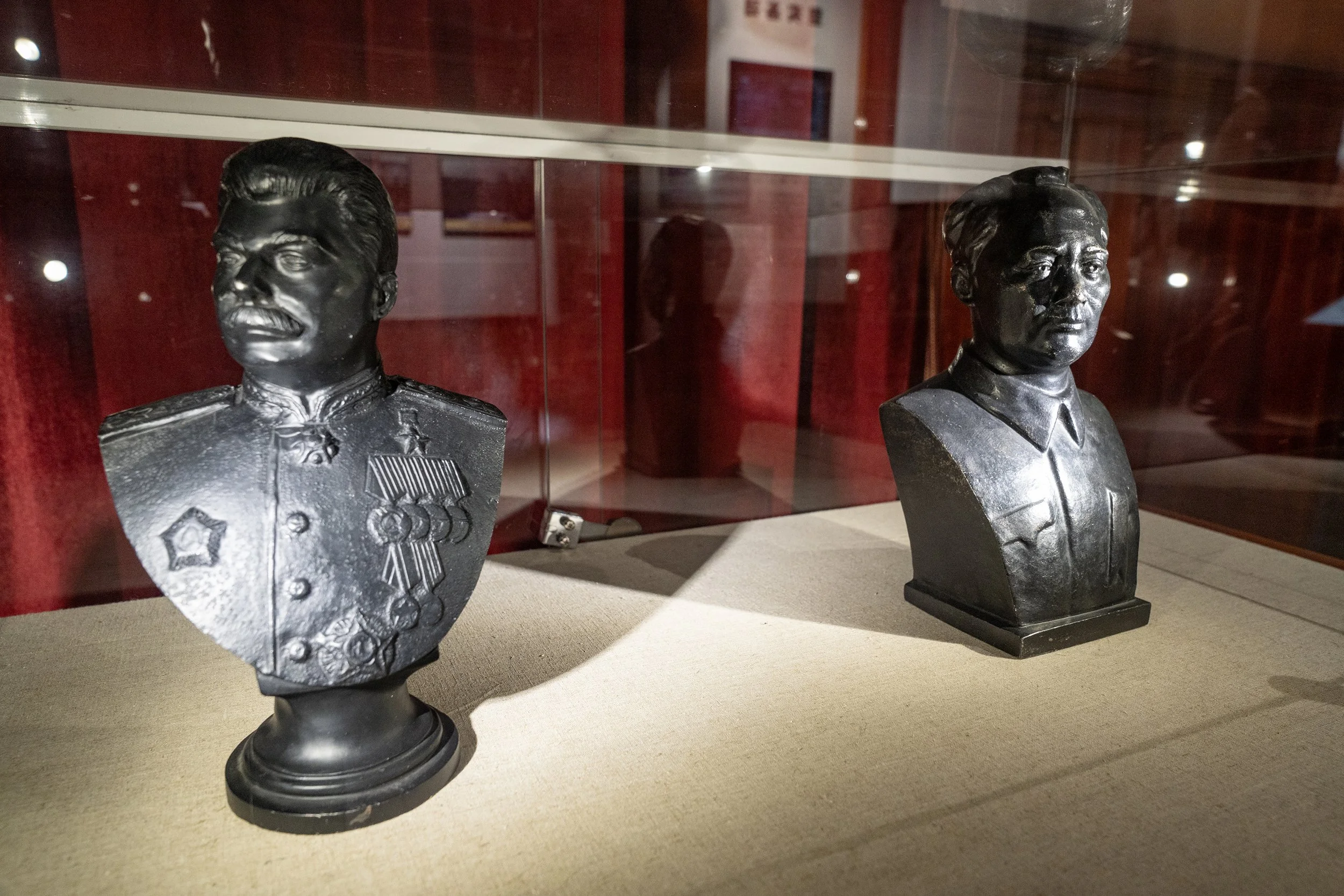
In the city center, the Soviet Red Army Martyrs’ Memorial pays tribute to the Soviet soldiers who liberated Manzhouli from Japanese occupation on August 9, 1945, when the USSR invaded Japanese-controlled Manchuria (then known as the puppet state of Manchukuo) as part of their offensive on the eastern front after the end of the war in Europe.
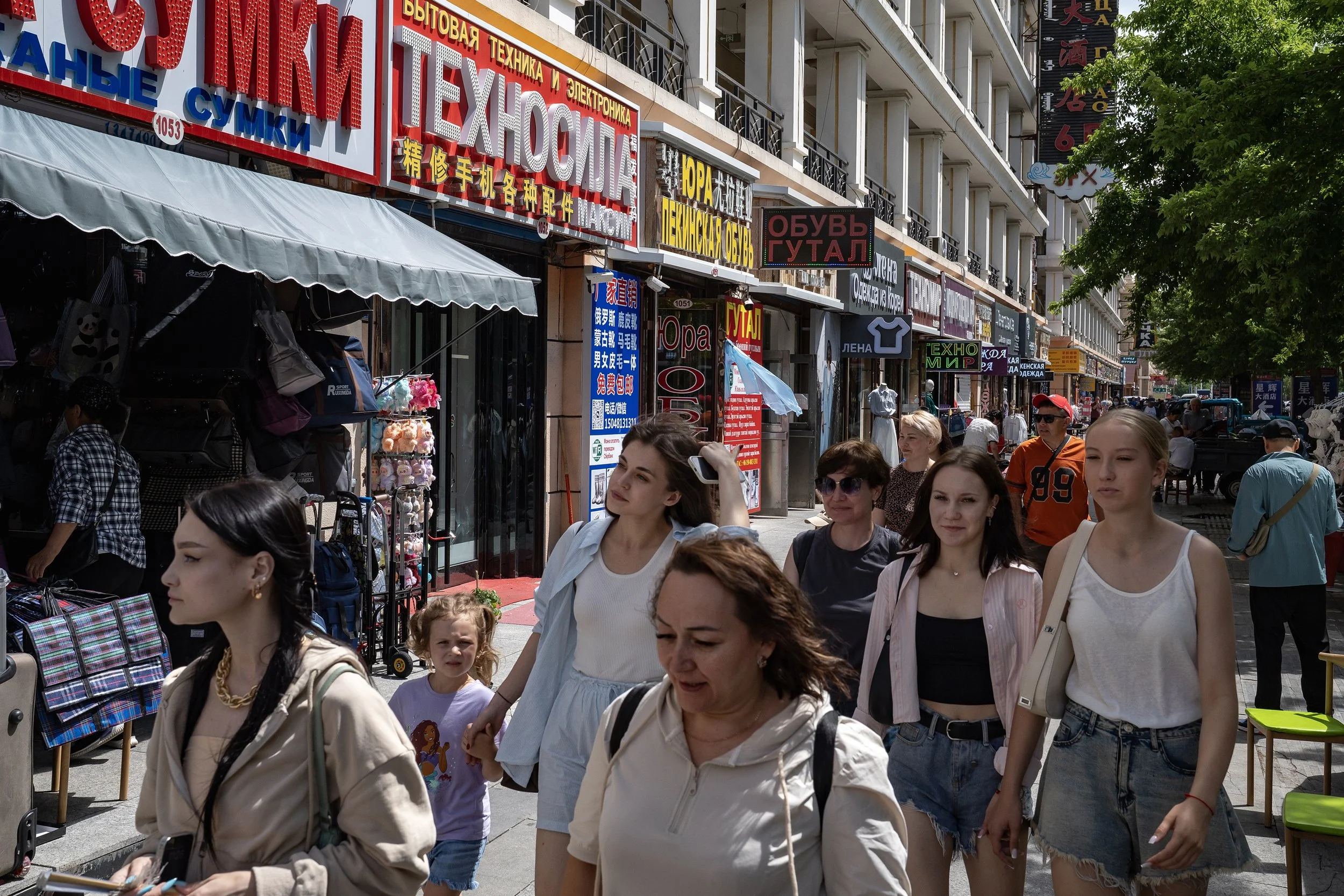
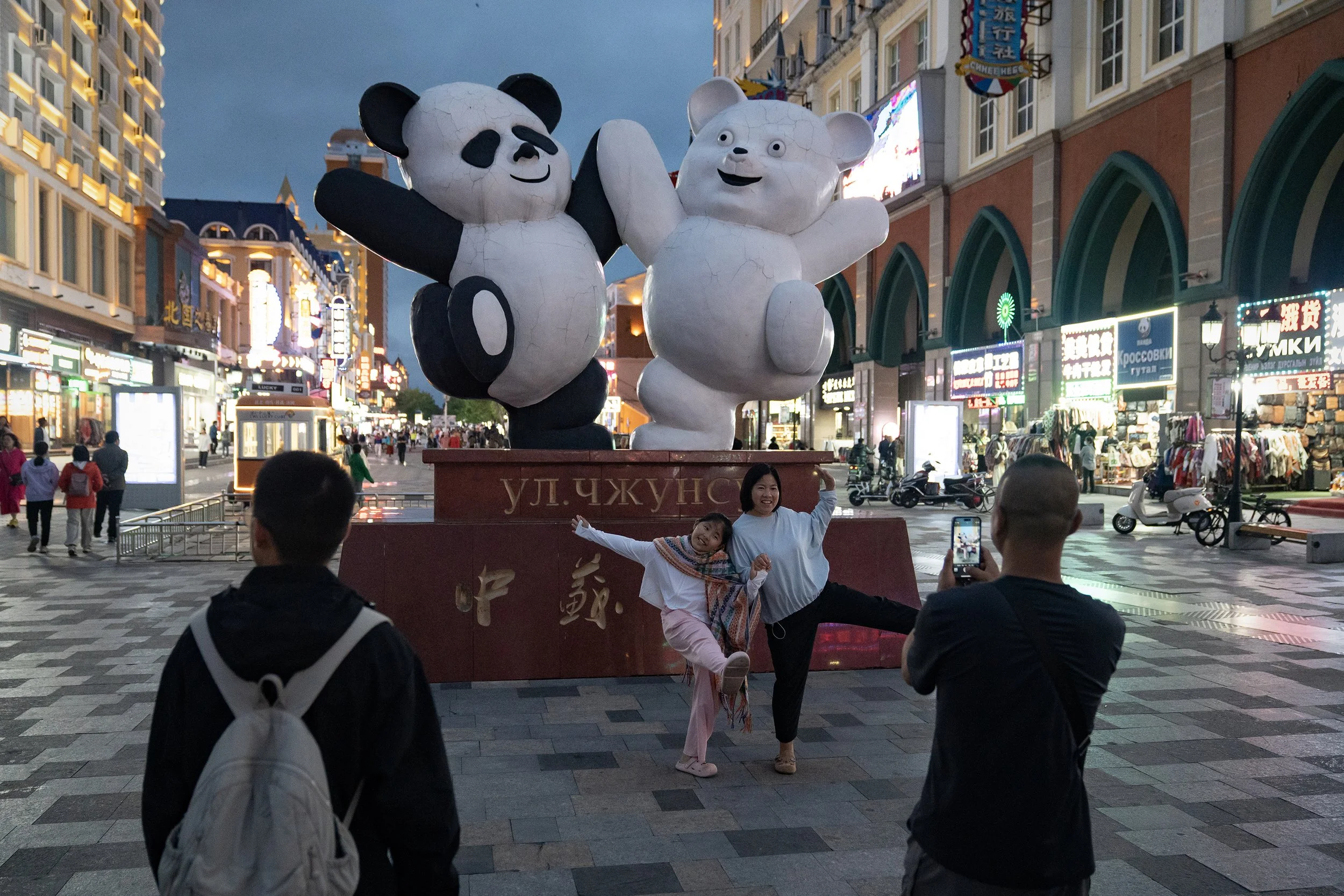
Sino-Soviet Golden Street is filled with modern stores selling Russian products to Chinese tourists — that have recently popped up in many other Chinese cities too.
At the edge of town, Matryoshka Square is a huge theme park with giant matryoshkas and Russian-style buildings. Russian passport holders pay half price for the entry ticket, but I didn’t see many of them there. I did see many Russians in the city center, though — just shopping for Chinese goods. Many more than during a previous trip here in 2020, or during some trips to Heihe, another city on the Sino-Russian border, in 2023, just after the pandemic.
Everything seems just fine, and business goes on in the northeastern corner of Asia.